Welcome to the IAMT Studio
Watch the conversations shaping MediaTech.
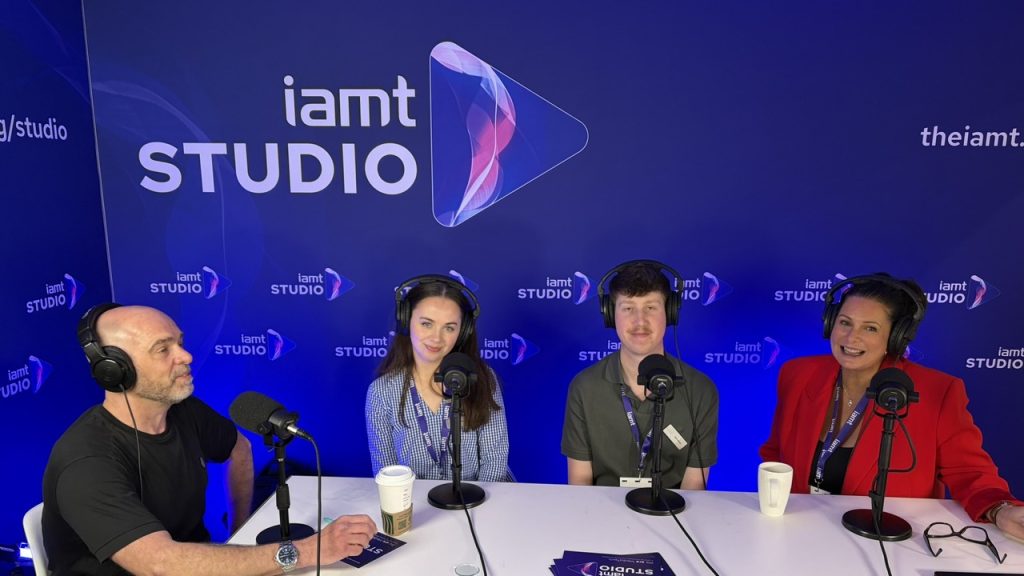
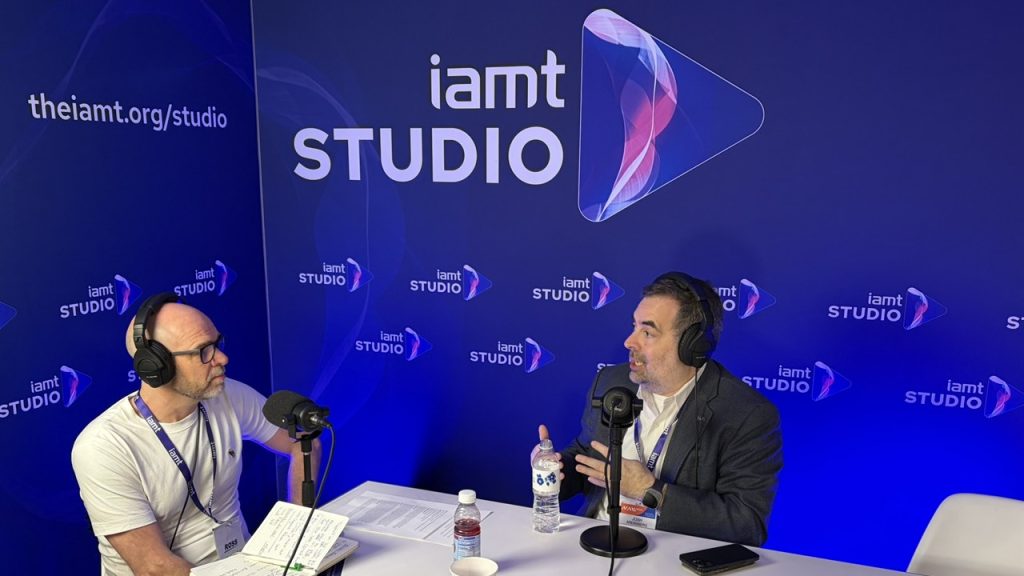
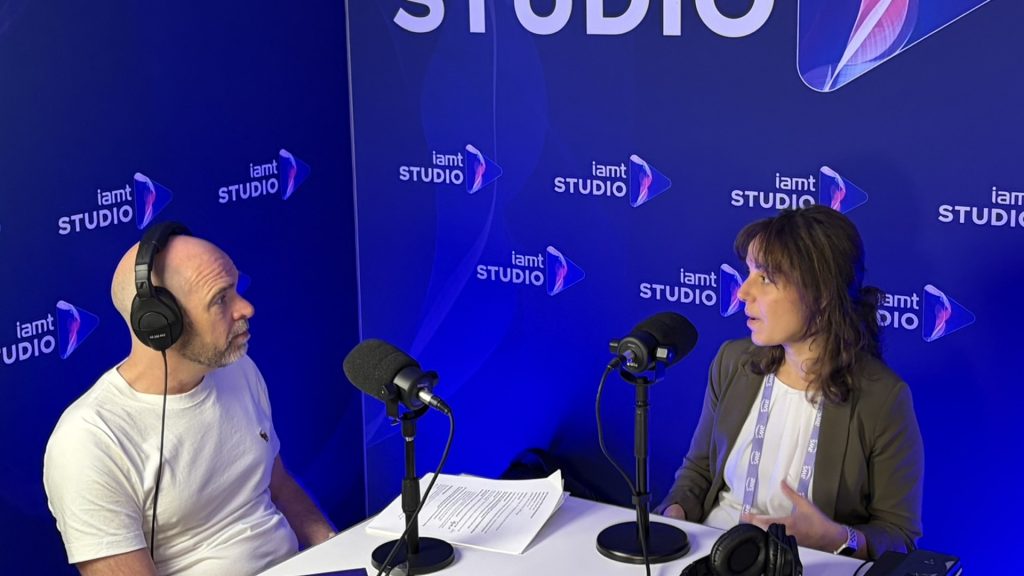
IAMT Studio brings together our visual podcasts, panel discussions and industry interviews, recorded at major shows and across the year. These sessions go beyond headlines, giving you direct access to the people driving change in MediaTech.
Short, focused and practical — this is insight you can watch and use.
Beyond the Buzz: What CTOs Really Think About MediaTech 2025
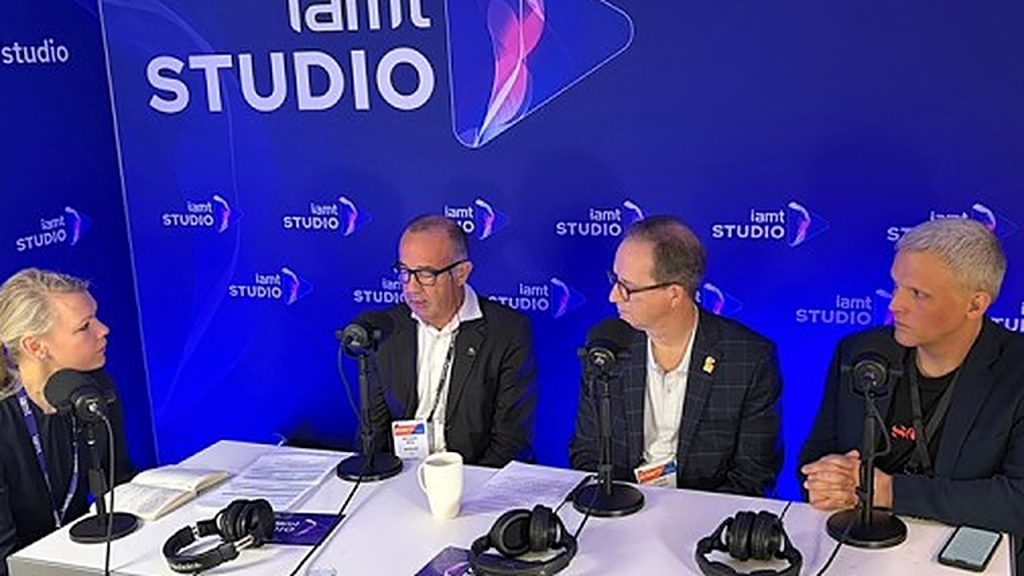
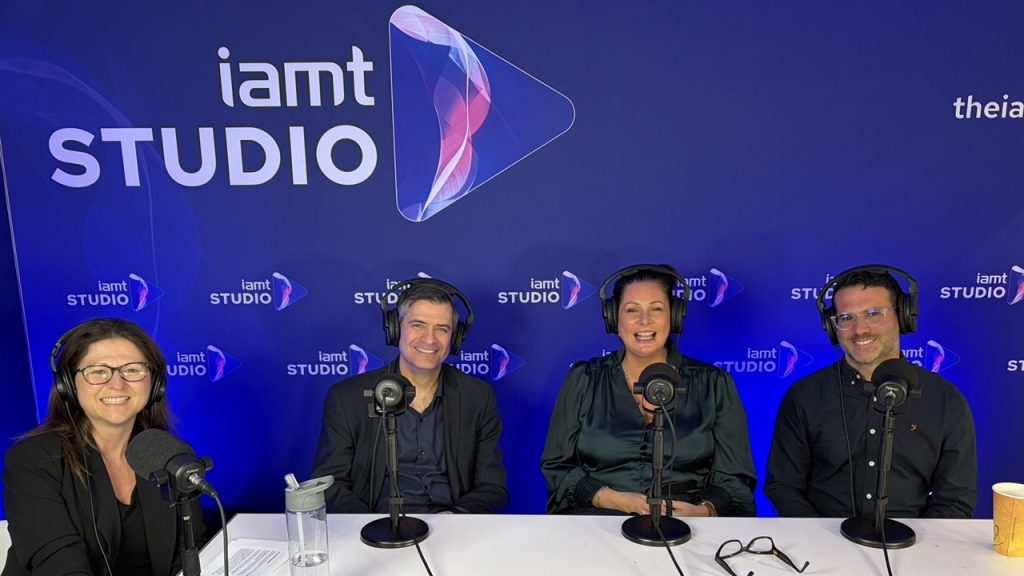
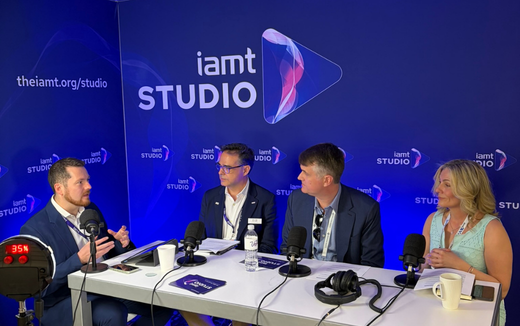
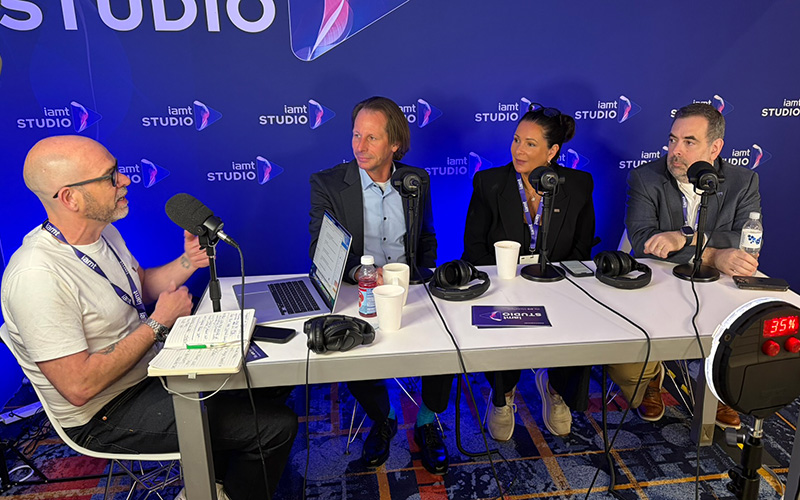
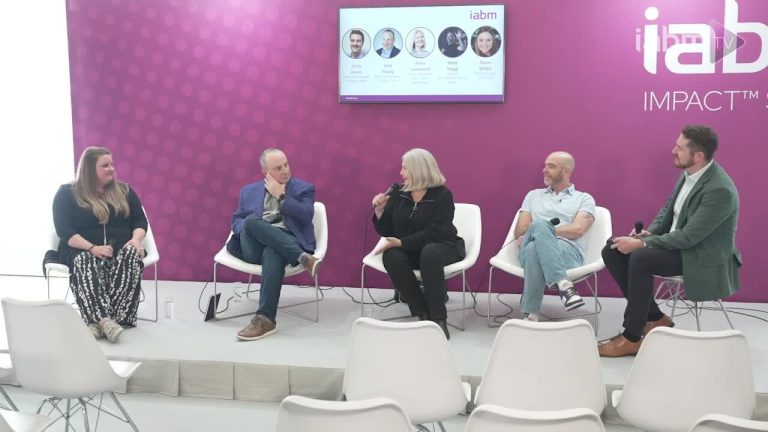
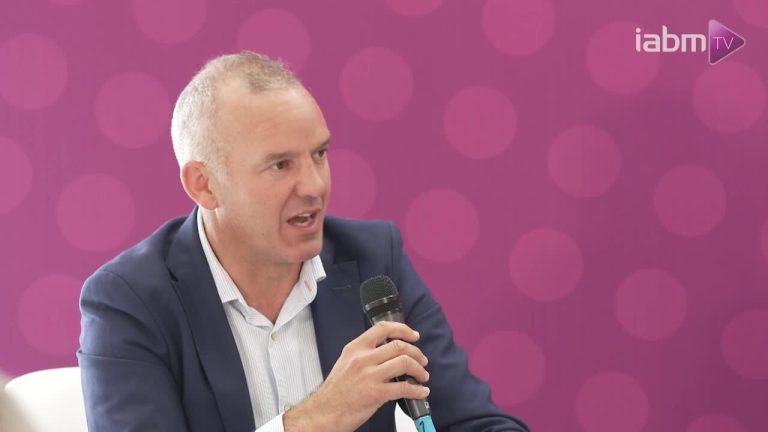
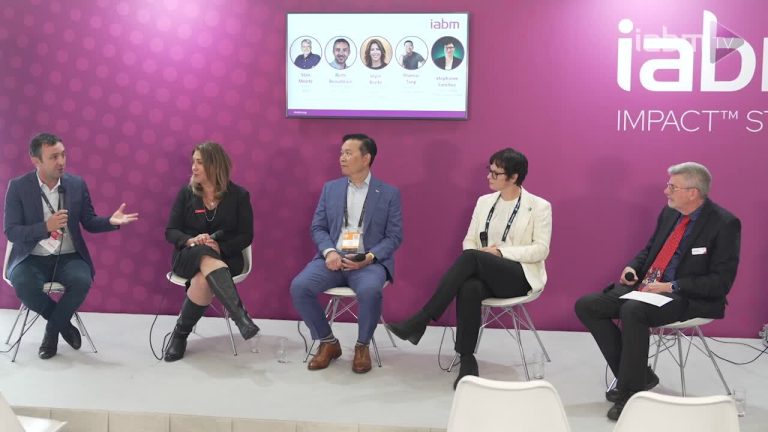
Watch this IABM Impact Stage session from IBC2025: Beyond the Buzz – What CTOs Really Think About MediaTech 2025. Stan Moote (IABM) is joined by Damon Neale (Metadat-AI), Jorge de la Nuez (Olympic Channel), Andy Rayner (Appear), and Willem Vermost (EBU) to cut through the hype and share candid views on the technologies shaping the future. From AI to cloud and beyond, the panel reveals what’s real, what’s overhyped, and where the true opportunities lie for the MediaTech industry.
Watch NowFireside Chat: IABM Chair, CEO & Technology Evangelist
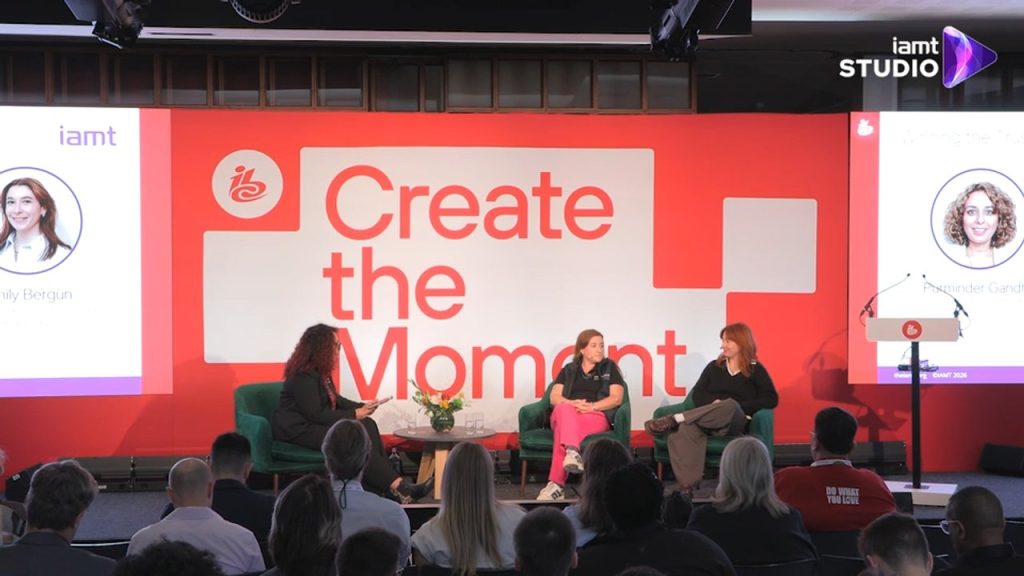
Join IABM Chair Josh Arensberg as he sits down with IABM CEO Saleha Williams and Technology Evangelist Purminder Gandhu for an open discussion on the state and future of the MediaTech industry. Together, they explore the evolving role of IABM in supporting members, the technologies shaping tomorrow’s media landscape, and how innovation, inclusivity, and collaboration are driving meaningful change across the sector.
Watch NowIAMT Industry Impact Briefing at IBC 2025
Watch the IABM Industry Impact Briefing: Leading Successful Transformations in Media Business from IBC2025 (Conference Room 1). Moderated by Chris Evans and Purminder Gandhu (IABM), this session brings together Nicola Cogotti (Alpha Cogs), Steph Lone (AWS), Gareth Gordon (QTV), and Donna Mulvey Jones (Banijay) to share real-world insights on driving transformation across the media landscape. The panel explores strategies, leadership approaches, and technologies that enable successful change in today’s fast-evolving industry.
Watch NowIAMT Show Sessions
Watch the IABM Impact Stage session from IBC2025: AV Media Convergence Briefing – Understanding Parallel Market Opportunities with IABM. Chris Evans, Olga Nevinchana, and Riikka Koponen from IABM are joined by Jack Adair (Canon EMEA) and Will Waters (Audinate) to unpack the convergence of AV and MediaTech. The panel highlights new opportunities emerging across parallel markets, offering insights on where innovation, investment, and collaboration can drive the next phase of growth.
Watch this IABM Impact Stage session from IBC2025: Beyond the Buzz – What CTOs Really Think About MediaTech 2025. Stan Moote (IABM) is joined by Damon Neale (Metadat-AI), Jorge de la Nuez (Olympic Channel), Andy Rayner (Appear), and Willem Vermost (EBU) to cut through the hype and share candid views on the technologies shaping the future. From AI to cloud and beyond, the panel reveals what’s real, what’s overhyped, and where the true opportunities lie for the MediaTech industry.
Watch this IABM Impact Stage session from IBC2025: Business Transformation – The MediaTech Buyer Perspective. Moderated by Purminder Gandhu (IABM), Justin Gupta (Google) and Mina Sabet (TED Conference) share how buyer needs and expectations are shifting in today’s dynamic media landscape. The discussion explores what MediaTech providers must deliver to meet evolving priorities, drive value, and build long-term partnerships.
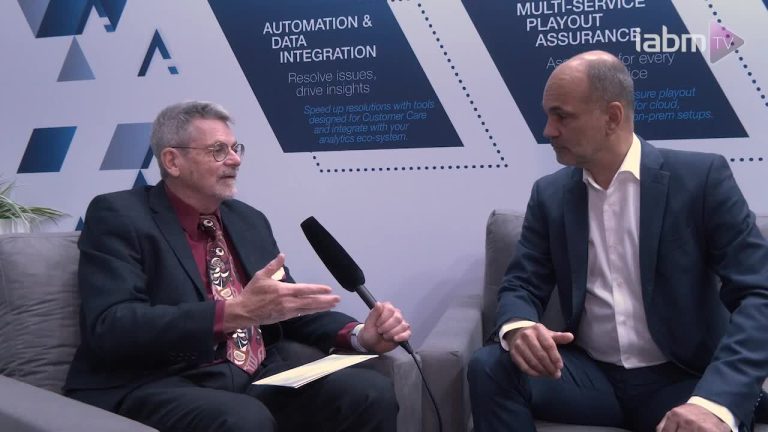
Watch this IABM Impact Stage session from IBC2025: Challenges in Monitoring the Evolving Complexity in Video Networks – with Imagine Communications. Moderated by Riikka Koponen (IABM), the panel features James Rivers and Dan Walsh from Imagine Communications alongside Jay Cox (anyVID Solutions). Together they explore how evolving video networks can be effectively monitored, managed, and optimised in an increasingly complex ecosystem.
Catch up on this IABM Impact Stage session from IBC2025: Expectations vs Experience – The Secrets to Keeping Early Career Talent. Fatih Akkoc (SWR), Friederike Fluit (LOGIC media solutions GmbH), and Tom Russell (Trussell Tech) share their first-hand perspectives as early career professionals in MediaTech. The discussion highlights what new talent values most, the challenges they face, and how organisations can create the right environment to retain and empower the next generation.
Join IABM Chair Josh Arensberg as he sits down with IABM CEO Saleha Williams and Technology Evangelist Purminder Gandhu for an open discussion on the state and future of the MediaTech industry. Together, they explore the evolving role of IABM in supporting members, the technologies shaping tomorrow’s media landscape, and how innovation, inclusivity, and collaboration are driving meaningful change across the sector.
Relive the highlights of the IABM Impact Awards at IBC2025, where innovation, creativity, and excellence across the MediaTech industry take centre stage. The awards celebrate the companies and individuals making the most significant contributions to advancing technology and driving positive change. Discover this year’s winners and the groundbreaking projects shaping the future of MediaTech.
Watch the IABM Industry Impact Briefing: Leading Successful Transformations in Media Business from IBC2025 (Conference Room 1). Moderated by Chris Evans and Purminder Gandhu (IABM), this session brings together Nicola Cogotti (Alpha Cogs), Steph Lone (AWS), Gareth Gordon (QTV), and Donna Mulvey Jones (Banijay) to share real-world insights on driving transformation across the media landscape. The panel explores strategies, leadership approaches, and technologies that enable successful change in today’s fast-evolving industry.
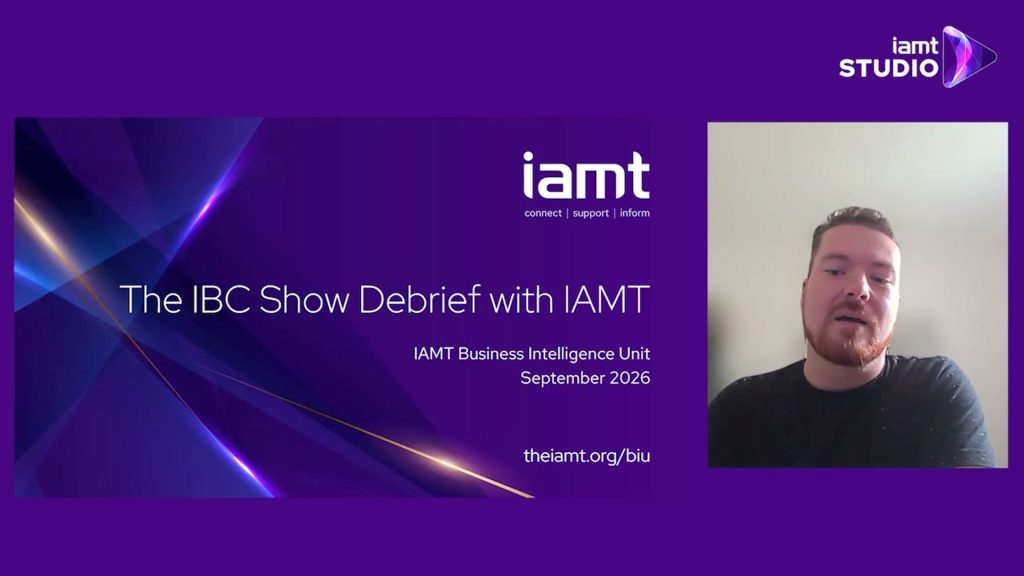
Catch up on IABM’s IBC 2025 Debrief – Americas Edition, designed for members who couldn’t attend the event in person or want a focused recap of the key highlights and insights. Hosted by Olga Nevinchana, Senior Analyst, this webinar brings together leading experts to discuss the major trends and takeaways shaping the global MediaTech landscape. Featuring Riikka Koponen (Principal Analyst), Stan Moote (CTO), and Paul Stechly (President, Applied Electronics)
Catch up on IABM’s IBC 2025 Debrief – APAC Edition, designed for members who couldn’t attend the event in person or want a focused recap of the key highlights and insights. Hosted by Chris Evans, Head of Knowledge & Insight, and moderated by Riikka Koponen, Principal Analyst, the session provides valuable takeaways from the show, including: Key findings from the State of MediaTech Report by the Business Intelligence Unit. Insights and trends discussed across IABM’s Impact Stage panels and presentations. Expert perspectives from Andrew Dunne (BBC) and Hitomi Hamaba (Sony) on the evolving media technology landscape.
Explore the IABM Innovation Arena – Member Technology Showcase from IBC2025. This session spotlights cutting-edge solutions and breakthroughs from IABM members across the MediaTech ecosystem. From pioneering workflows to transformative technologies, discover how innovators are shaping the future of content creation, distribution, and monetisation.
Catch up on this IABM Impact Stage session from IBC2025: Mastering Multiplatform Fan Engagement in Live Sports. Claire Wilkie (LIMITLESS), Rick Young (LTN), Anna Lockwood (Telstra International), and Matt Stagg (MTech Sport) share how sports organisations are embracing innovation to deliver richer, more interactive experiences across every platform. The panel explores strategies and technologies that keep fans engaged before, during, and after the live action.
Watch The Future is Here: Meet the IABM Bursary Winners session from IBC2025. Hosted by Stuart Ray (IABM), this inspiring showcase introduces bursary winners George Blower, Lisa Haddou, and Hendrik Albrecht. Hear their stories, ambitions, and perspectives as they represent the next generation shaping the future of the MediaTech industry.
Catch up on this IABM Impact Stage session from IBC2025: Rethinking Security for Software-Defined Media Workflows. Moderator Olga Nevinchana (IABM) is joined by Richard Jonker (NETGEAR), Alex Redfern (EVS) and Aus Alzubaidi (MBC Group) to explore the evolving challenges of securing virtualised and software-defined environments. The panel discusses emerging threats, resilience strategies, and the technologies shaping a more secure future for MediaTech workflows.
Watch this IABM Impact Stage session from IBC2025: Solving the Energy Equation – Translating Sustainability into Cost Savings and Efficiencies. Moderator Riikka Koponen (IABM) leads a dynamic discussion with Arianna Aondio (Varnish Software), Gareth Capon (Grabyo), and Michael Harrit (BBC) on how broadcasters and technology providers can balance sustainability goals with operational efficiency. The panel explores practical strategies, innovations, and real-world examples of how reducing energy consumption can deliver both environmental benefits and measurable cost savings.
Catch up on this thought-provoking IABM Impact Stage session from IBC2025: The Moving Target of Tariffs: Where Are We Now? Industry leaders Remi Beaudouin (Ateme), Joyce Bente (Riedel Communications), Thomas Tang (Apantac), and Stephanie Sanchez (Grass Valley) share their perspectives with Stan Moote (CTO, IABM) on the shifting landscape of tariffs and trade policy, and what it means for strategy, growth, and resilience in the MediaTech sector.
Watch the IABM Impact Stage session from IBC2025: AV Media Convergence Briefing – Understanding Parallel Market Opportunities with IABM. Chris Evans, Olga Nevinchana, and Riikka Koponen from IABM are joined by Jack Adair (Canon EMEA) and Will Waters (Audinate) to unpack the convergence of AV and MediaTech. The panel highlights new opportunities emerging across parallel markets, offering insights on where innovation, investment, and collaboration can drive the next phase of growth.
IAMT Member Interviews
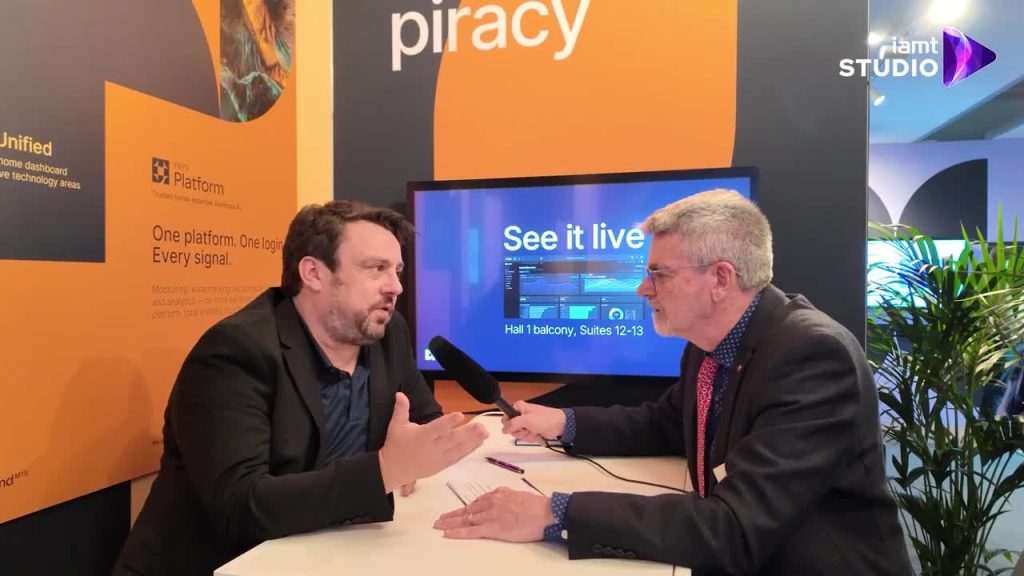
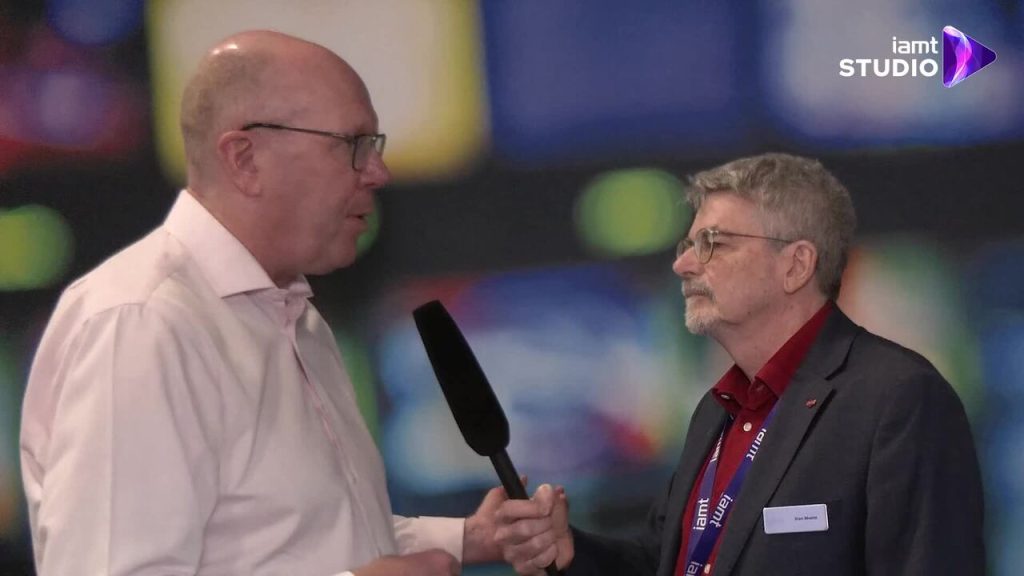
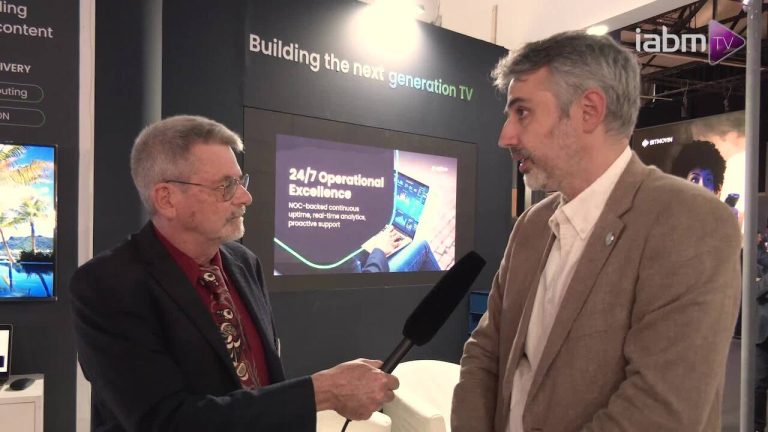
Chad Hassler, VP of Broadcast covers how Sencore is assisting broadcast and distribution operators dealing with aging equipment and shrinking budgets. IABM’s CTO Stan Moote asks details on low-latency along with how Sencore is leveraging AI.
IABM’s CTO Stan Moote asks Steve Holmes, Solutions Architect with Leader Electronics how they help engineers maintain confidence in signal integrity across increasingly complex environments – specifically SDI/IP workflows. Kevin Salvidge, Technical Marketing Manager covers real-time monitoring across networks and cloud environments. Stan then gets into detail about black burst and PTP to find out more about Leader’s Sync Align technology.
Learn about the The Next Evolution of Cloud Media Management & Distribution: actionable AI, Metadata, and Next-Gen Portals from Álvaro Montalbán, CSO at Knox Media Hub. Stan Moote, IABM’s CTO, asks Álvaro questions about having measurable ROI with AI tools. Álvaro also suggests the best why for organizations to modernize their media supply chain.
John Henkel, Product Marketing Director with NETGEAR discusses how they are aggressive assisting companies and partners with the transition to IP.. Netgear now has industry-leading training programs with certifications via the Netgear Academy.
David Isola Director, Global Product Marketing with Black Box discusses how Boxilla® configuration backups make the Black Box Emerald control platform reliable for mission-critical live broadcast operations regardless of the physical location.
John Pickeral, Vice President of Client Development, Maslow Media reveals how is AI actually changing the media and entertainment workforce today.
Dusty Alves, CEO with 11 Nines Data covers many of the industry’s storage challenges, solutions along with how 11 Nines Data has a clear focus on customer support and reliability.
David Kaszycki, CEO of Beam Dynamics covers how the Beam platform evolved to meet the increasing complexity of workflows and assets in the media and entertainment industry, along with expansion into new verticals. Beam is expanding into Europe and assisting companies with the EU Cyber Resilience Act (CRA).
IABM’s CTO Stan Moote dives into real life AI applications to assist with video asset management, streaming, channel scheduling, and master control with Matt Smith, Chief Evangelist with Akta. Matt also covers how AI can convert videos to vertical format, segments, creates summaries, highlights, titles, descriptions and advanced metadata so they can be pushed out quickly.
Alexander Leschinsky, CEO & Co-Founder of G&L Systemhaus gets into detail of using AI for producing sign-language and the various use cases for it.
CTO, Stan Moote asks Alex Gattari AI solutions architect from Etere -Where do u see AI in broadcast now? Continuing the conversation Fabio Gattari, Asia Pacific Sales of Etere covers his thoughts on what the broadcast world looks like now. Fabio then gets into a controversial discussion about video transport specifically dealing with the worry of new licenses required for NDI.
IABM’s CTO, Stan Moote discusses From Assistants to Agents: How AI Is Transforming Broadcast Workflows with NStarX CEO Angshuman Patra. Angshuman understands Agentic AI systems taking nitiatives, coordinate multi-step tasks, and manage workflows.
In this interview, Paul Briscoe highlights TAG Video Systems’ focus on security and resilience in today’s mediatech landscape. He discusses how confidence and quality assurance in IP infrastructures are essential as the industry transitions to fully digital workflows. Paul explains how TAG’s solutions enable media companies to monitor, manage, and secure complex IP-based environments with greater transparency and reliability—ensuring operational confidence, safeguarding content, and delivering consistent quality at scale.
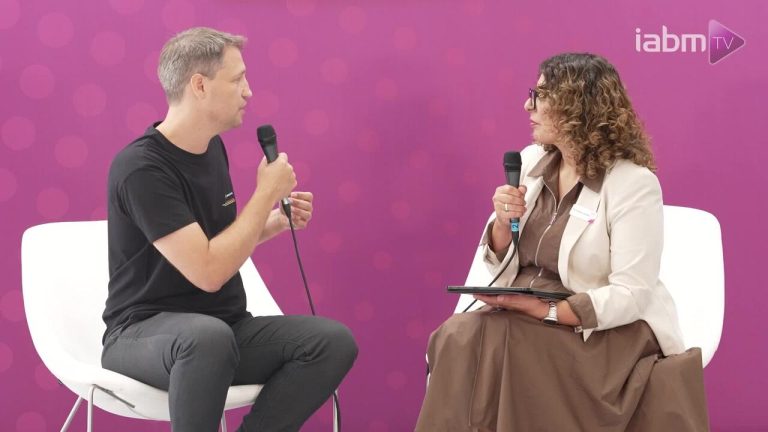
In this IABM TV Interview, we talk to Mark Strachan, Chief Product Officer at Telstra, about the company’s core business, its most important customer segments, and how it views the democratization of technology in the media and broadcast industry. Mark reflects on Telstra Broadcast Services’ 10-year journey in providing connectivity and managed services, exploring how customer needs have evolved and how the company’s investments in infrastructure, such as the Global Media Network, support wider access to MediaTech. He also shares insights on the industry’s rapid shift toward software-driven workflows and new monetization models, the growing role of managed services, and how democratization is shaping Telstra’s product and technology offerings for the next 24 months.
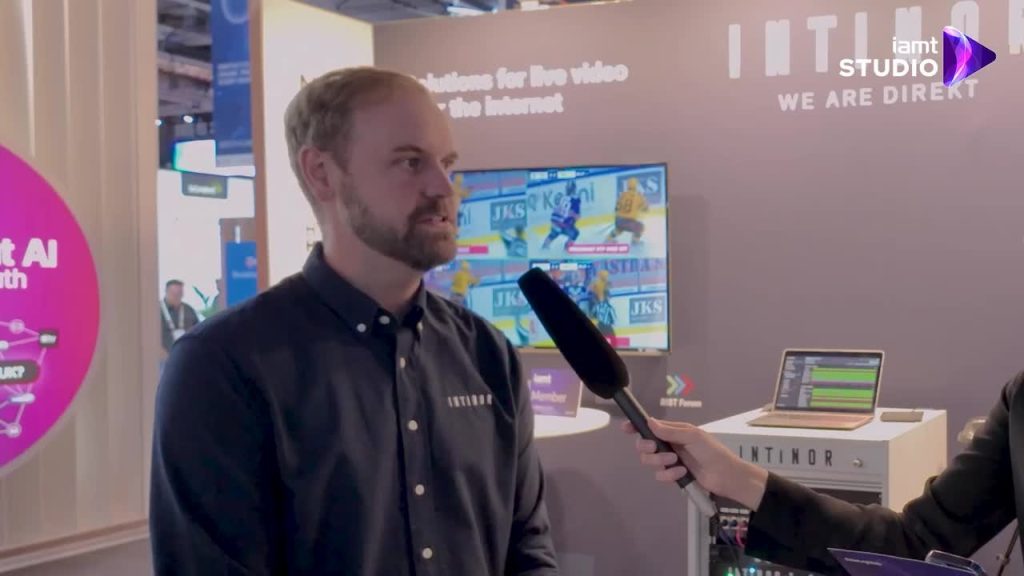
In this interview, Kristie Fung highlights how TMT Insights is transforming global media and entertainment operations through its growing suite of enterprise solutions. She introduces Focus, a new platform that bridges strategic planning and operational execution, complementing the flagship Polaris platform. By centralising data on content availability, localisation, and readiness, Focus empowers teams to streamline workflows, optimise programming strategies, and accelerate time-to-market. Kristie also shares how Crunchyroll is using Focus to enhance collaboration across programming, operations, and distribution—delivering smarter decisions, greater efficiency, and improved global content delivery.
In this interview, Brenton Ough discusses how CMSD-MQA (Common Media Server Data – Media Quality Assessment) is moving from concept to real-world deployments and why it’s driving real business transformation in streaming. He explains how legacy approaches to video quality analytics are no longer fit for purpose—being too expensive, compute-heavy, and siloed—making agility and great viewer experiences harder to achieve. Brenton highlights how CMSD-MQA standardises server-side data to deliver real-time insights without the overhead, helping teams adapt faster, run leaner, and collaborate more effectively across operations, technology, and business.
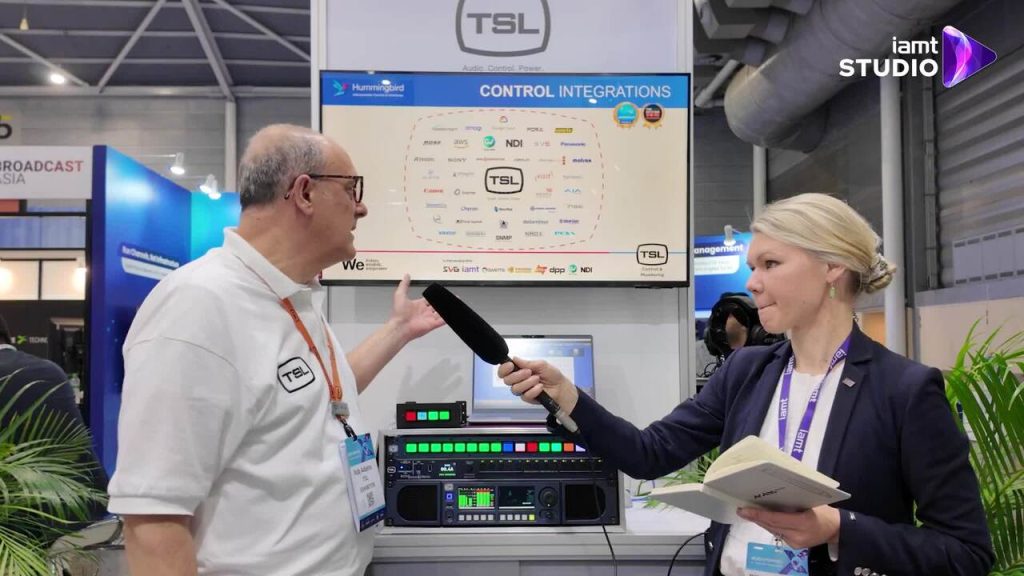
In this interview, Rob Adams, CRO of TSL, previews a major update to the company’s control and monitoring solutions, set to be unveiled at IBC. He emphasises the growing importance of interoperability in advanced broadcast and AV environments, particularly across control and monitoring systems. Matthew explains how interoperable ecosystems empower operators by enabling faster rollouts, reducing integration requirements, improving reliability, and lowering total cost of ownership—helping broadcasters and AV professionals achieve more efficient and resilient operations
Josh Arensberg from Verizon at IBC 2025
In this interview, Gatis Gailis from Veset explores how the democratization of media technology is reshaping expectations for today’s content creators and broadcasters. He discusses the role of cloud and SaaS solutions in making professional tools more accessible and empowering a wider range of users. Gatis also highlights how vendors can evolve their products and business models to meet the increasing demand for simplicity, speed, and autonomy in modern media workflows.
In this interview, Dave Cheesman showcases Videndum’s latest product launches across outside broadcast, ENG, and studio production automation, explaining the drivers behind each innovation. He also highlights the key trends shaping today’s broadcast industry, with a strong focus on sustainability and how Videndum is addressing environmental impact through smarter, more responsible technologies and practices.
In this interview, Adrian Herrera explains how Varnish Software’s Private CDN approach—powered by Varnish Enterprise and the fully managed Ora Streaming service—is transforming content delivery strategies for broadcasters, OTT providers, and digital platforms. He highlights how dedicated infrastructure, predictable OpEx, and compliance with regional data sovereignty requirements give operators full control over performance, cost, and location. Adrian also introduces new innovations such as Global Rate Limiting and CDN Router, which enable real-time traffic control and intelligent multi-CDN optimisation. Together, these advances help media companies build resilient, cost-efficient, and regulation-ready delivery networks that turn uncertainty into competitive advantage.
In this interview, Krish Kumar, CEO of Wowza, discusses how the democratization of MediaTech is empowering small development teams to build and customise their own video delivery pipelines. He shares examples like BallerTV, which streams thousands of youth sports events with fewer than ten developers, and FloSports, which creates differentiated features such as multi-angle replay thanks to full pipeline access and API control. Krish explains how hybrid deployment models and flexible architectures enable these teams to deliver predictable quality, innovate on their own timelines, and compete with larger broadcasters. He emphasises that democratization isn’t just about access—it’s about giving smaller teams the tools to achieve real competitive advantage.
In this interview, Tom Dvorak explores the impact of AI and personalisation on the media and entertainment industry. He discusses both the opportunities and challenges of working with these technologies, including how personalisation can help operators and streamers boost key performance indicators. Tom also addresses the critical issue of data privacy, sharing insights on how to responsibly manage user data while leveraging AI-driven personalisation to enhance viewer engagement and business growth.
In this interview, Tim Sewell discusses how broadcasters and media owners can maximise the value of their inventory with the latest dynamic ad insertion technologies. He explains how new formats like side-by-side ads and L-banners are unlocking additional inventory opportunities, supported by advancements in server-guided ad insertion (SGAI). Tim also highlights how bridging the gap between streaming technology and adtech enables more accurate measurement of ad views, delivering actionable insights that improve performance and provide the data advertisers value most—ultimately driving higher fill rates and greater revenue.
AWS Interview at IBC 2025
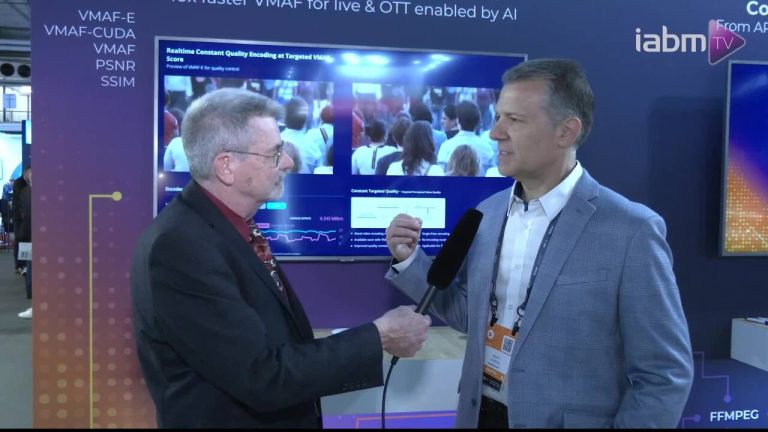
In this interview, Geoff Gordon introduces MainConcept’s new suite of metrics, led by VMAF-E—a breakthrough that extends the power of VMAF beyond VOD into live workflows. Alongside this, vScore provides a comprehensive set of tools including VMAF, VMAF-CUDA, SSIM, and PSNR, giving users greater flexibility in evaluating video quality. Released with MainConcept SDK 16.0 and integrated into their HEVC encoder SDK, these advancements mark a major step forward in video optimisation, with additional innovations in 16.0 set to be unveiled at IBC 2025.
In this interview, Ian Franklyn highlights the importance of a tightly connected ecosystem where broadcasters, ISPs, and technology enablers collaborate to deliver outstanding Quality of Service (QoS) and Quality of Experience (QoE) for audiences. He explains why no single player can succeed alone—broadcasters need robust infrastructure, ISPs must prioritise media traffic, and tech innovators like MainStreaming must optimise every step of the delivery chain. By joining forces, the industry can ensure a seamless, sustainable, and scalable streaming experience that meets rising viewer expectations and drives long-term growth.
In this interview, Peter Bruggink shares how Media-Anywhere is transforming cloud-based media workflows by making every frame instantly accessible via a simple URL. Instead of moving entire files, their approach allows editors and production teams to call up only the exact frames they need—enabling faster, more resilient, and secure workflows. With their first product, AirFrame, editors can work directly in Premiere Pro with high-resolution media in cloud storage, no proxies or downloads required. Peter also outlines how this backbone technology extends to live and fast-turnaround workflows, aligning with the MovieLabs 2030 vision to deliver a frame-accurate, glass-to-glass media supply chain
In this interview, Paul O’Donovan highlights how MediaKind is shaping the next generation of sports viewing experiences. He discusses innovations such as ultra-low latency streaming that keeps fans closer to the action, immersive Multiview options that give audiences more choice, and studio-grade security designed to protect premium content. Paul explains how MediaKind’s solutions enable broadcasters and platforms to deliver these advanced experiences reliably and at scale.
In this interview, Jiří Gabriel shares the latest developments from MISTV, including advancements in the new version of MIRA and the company’s expansion into new markets. He also reflects on insights and discussions from the recent Broadcast Operation Conference, highlighting how MISTV is continuing to innovate and support broadcasters with flexible, future-ready solutions.
In this interview, Richard Jonker highlights how AV-over-IP has become the new standard, with IP-based signal transport now central to nearly all new installations. He explains how open standards like IPMX are driving interoperability and convergence between broadcast and commercial AV technologies. Richard also explores how Netgear is enabling scalability and centralised control across studios, distributed workflows, events, campuses, and venues—while helping integrators and technicians address challenges around cost, network design, and cybersecurity.
In this interview, Ajey Anand highlights what Norigin Media is showcasing at IBC 2025 and reflects on how streaming TV consumption has evolved over the last decade (before, during, and after the pandemic). He discusses the challenges currently facing both broadcasters and technology vendors, and shares his vision for the year ahead. Ajey also emphasises how Norigin Media is continuing its sustainability efforts while driving business transformation, ensuring the company remains innovative, responsible, and future-focused.
In this interview, Damon Neale highlights the growing importance of security as AI becomes central to media workflows. He explores the unique cyber risks facing the industry—from data breaches to deepfakes—and why frameworks like TPN Gold are raising the bar on compliance by prohibiting unverified third-party processing. Damon shares best practices for resilience, including zero-trust architectures and in-account or on-prem AI deployment, and explains how Metadat-AI enables models to run entirely within a customer’s own environment. He concludes with a clear takeaway: organisations must audit where their AI models run, who has access to their assets, and how they’re being used to ensure both security and efficiency.
In this interview, Dan Brooks introduces the Cinebot Nano, a compact nine-axis motion control robot from Mark Roberts Motion Control (MRMC), designed for solo filmmakers, content creators, and lean production teams. He highlights its user-friendly features like Flair Lite software with lifetime ownership and Push Moco for intuitive, manual keyframing. Dan explains how the Cinebot Nano packs into three lightweight cases for travel, making it ideal for on-location shoots, while offering accessible pricing starting at £20,000. With support for payloads up to 7 kg, versatile mounting options, and powerful performance, Cinebot Nano delivers professional-grade, repeatable camera motion in a portable, affordable format—available worldwide from September 2025 and showcased at IBC in Amsterdam.
IABM’s CTO, Stan Moote discusses From Assistants to Agents: How AI Is Transforming Broadcast Workflows with NStarX CEO Angshuman Patra. Angshuman understands Agentic AI systems taking nitiatives, coordinate multi-step tasks, and manage workflows.
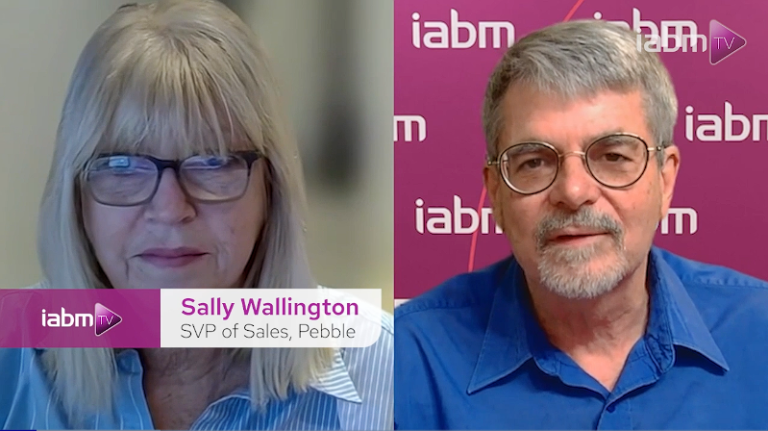
IABM’s Stan Moote discusses with Pebble’s SVP of Sales, Sally Wallington about streamers moving more into the linear live event space, specifically sport. Stan also asks Sally about today’s hybrid broadcast environments.
In this interview, Paul Pastor explores how broadcasters, streamers, and tier-one operators can unlock new opportunities in content monetisation and revenue generation. He discusses the shifts in business models and technology adoption that are reshaping the industry, and how Quickplay is helping organisations strengthen viewer retention, optimise content distribution, and deliver immersive experiences at scale. Paul highlights how leveraging vast content libraries more effectively can drive both business transformation and long-term growth.
In this interview, Richard Kydd highlights how Red Bee is leveraging AI, cloud platforms, and advanced media management services to transform broadcast and media workflows. He explains how these technologies are driving greater efficiency, flexibility, and innovation, enabling media organisations to adapt quickly to industry change and deliver enhanced value to their audiences.
In this interview, Graziano Casale, Director of Technical Sales for Broadcast Distribution at Rohde & Schwarz, explores how 5G is opening up new opportunities for delivering entertainment and services directly to consumers’ mobiles in real time. He highlights the potential for new revenue streams that this technology unlocks, from enhanced live experiences to innovative service models. Graziano also shares how Rohde & Schwarz is supporting customers in this field with cutting-edge solutions designed to help broadcasters and operators harness the full potential of 5G for content delivery.
In this interview, Sarah Xing highlights YUKUAN’s advanced video transmission solution. She explains how it is designed to deliver reliable, high-quality video across demanding broadcast and media environments, supporting greater efficiency and performance for content creators and operators alike.
In this interview, James Eddershaw discusses how Shotoku is helping organisations adapt to the new economic landscape while still delivering world-class live studio production that brings the momentous stories of the day to audiences in engaging and informative ways. He also explores how national broadcasters can remain competitive against the surge of live streaming “news” outlets, sharing how Shotoku’s innovations support broadcasters in maintaining relevance, trust, and impact in an evolving media environment.
In this interview, Hitomi Hamaba introduces the Sony PXW-Z300, the world’s first camera capable of recording provenance information directly onto video files. She explains how this innovation helps combat the growing threat of misinformation and disinformation in the age of AI-generated content. Hitomi also discusses the broader challenge facing traditional broadcasters as they work to maintain credibility and trust with audiences, and how tools like the PXW-Z300 provide vital authenticity and verification to strengthen confidence in visual media
In this interview, Hossein ZiaShakeri highlights how Spectra Logic is supporting modern hybrid deployments and evolving media workflows with innovative software solutions. He discusses the increasing demand for private cloud and hybrid models, and explains how AI is helping organisations unlock greater value from their vast archives. Hossein shows how Spectra Logic’s approach is enabling media companies to operate more efficiently, securely, and intelligently in today’s rapidly changing landscape.
In this interview, Ben Vandenberghe explains why replacing scheduling tools in today’s media operations isn’t just about swapping software—it’s about redefining strategy. He highlights how offline scheduling and disconnected point solutions have become liabilities in a fast-moving industry that demands resilience, efficiency, and continuous innovation. Ben outlines why the media sector is entering a completely new era, where tech stacks must be rethought and operational models reimagined. His message is clear: organisations must take a strategic leap forward to stay competitive, agile, and ready for the future.
In this interview, Colby Winegar, CEO of Storj, showcases the company’s new Production Cloud live from their booth at IBC. Designed to give post-production teams globally fast access and the ability to work directly from the cloud, this platform helps democratise MediaTech by eliminating legacy barriers and enabling seamless collaboration with remote talent. Colby highlights how the Production Cloud lowers total cost of ownership, improves security and resilience, and supports sustainability through distributed storage that achieves redundancy without replication. He also explains how this innovation empowers global teams to collaborate more effectively while making workflows faster, more flexible, and virtually outage-proof.
In this interview, Thomas Bostrøm Jørgensen, CEO of Appear, discusses how the company is helping democratise live production for tier 2 and 3 sports and broadcasters, making high-quality production accessible beyond the top tier. He highlights how Appear’s VX platform supports this shift by enabling flexible, scalable workflows in a software-defined future. Thomas explains how Appear is delivering cost-effective solutions for smaller and remote productions without compromising on quality or reliability, and shares his vision of offering “the best of both worlds”—broadcast-grade quality combined with cloud agility—to meet the growing demands of live production today.
In this interview, Stuart Boorn explores how to build sustainable workflows in DTT and OTT that complement rather than compete with each other. He discusses whether hybrid TV is truly becoming a reality and how it could unlock new monetisation opportunities while improving the audience experience. Stuart also shares Arqiva’s roadmap for future change, highlighting how the company is shaping the next phase of broadcast and streaming convergence.
Brian Hopman from Associated Press at IBC 2025
In this interview, Craig Wilson showcases how Avid is transforming news and post-production workflows with AI-powered automation, hybrid cloud innovation, and a unified content management experience. He explains how Avid’s solutions are designed to help creative teams work faster, collaborate more effectively, and deliver impactful stories that meet the demands of today’s content-hungry, multiplatform world.
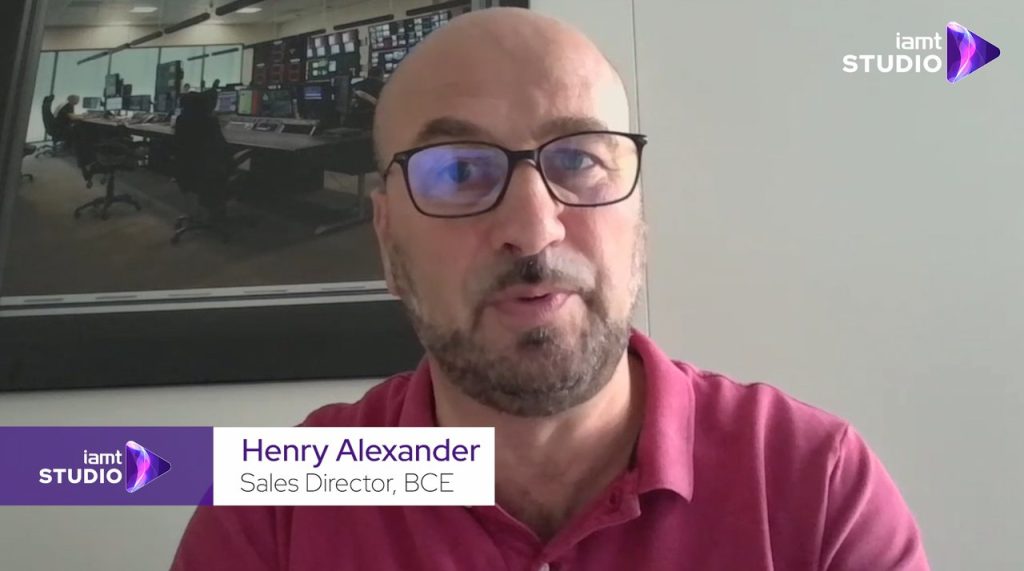
In this interview, Noëlle Prat reflects on BCE’s 25 years at the forefront of media innovation. As part of RTL Group, BCE combines deep expertise in systems integration, managed services, and product development to deliver reliable solutions for broadcasters and media organisations worldwide. At IBC2025, Noëlle highlights BCE’s latest breakthroughs in System Integration, Media Operations Managed Services, and its Media-as-a-Service (MaaS) platform—each designed to simplify complexity, enable agile workflows, and ensure seamless, secure content delivery across media, sports, and corporate sectors.
In this interview, Ciro Aloisio Noronha, Ph.D., highlights Cobalt’s focus on equipment security and integrity in the broadcast and media space. He discusses the critical importance of safeguarding content transport over the internet, addressing issues such as in-flight protection and authentication. Ciro explains how Cobalt’s solutions are designed to give broadcasters confidence in secure, reliable operations while meeting the growing demands of content distribution in an increasingly connected world.
In this interview, Agnès Pleinecassagne discusses Eutelsat’s ongoing sustainability initiatives, which have been in place for around four years. He highlights how regulatory requirements in Europe are pushing companies to explain their environmental actions and results, and how this transparency is shaping the future of business. Pleinecassagne emphasises the importance of sharing these efforts with stakeholders to ensure that companies can continue to operate successfully while respecting the environment and their wider impact on society.
IABM’s CTO Stan Moote gets into reference monitor details using QD-OLEDs with Bram Desmet CEO & GM Flanders Scientific, Inc. Bram also hits on the key points of monitor calibration and his view on the future of display technology.
In this interview, Graham Sharp introduces Vipe’s radically new approach to playout, designed to replace fixed, overprovisioned infrastructure with a flexible, adaptive model. By analysing schedules and applying machine learning to event complexity, Vipe automatically scales resources, ensuring broadcasters “only pay for what they play.” Built on containerised microservices, the system activates and deactivates resources on demand, reducing costs and improving reliability whether on-premises or in the cloud. Graham also highlights Vipe’s automated quality checking and intuitive interfaces, which adapt dynamically for live and file-based content, delivering a lean, resilient, and future-ready playout ecosystem
In this interview, Michael Thielen and Michael Pfitzner showcase how CGI is helping broadcasters modernise their operations through the complete rebuild of OpenMedia and the evolution of dira Dimension. They explain how these platforms deliver scalable, cloud-ready, and AI-enhanced workflows that boost efficiency, improve content quality, and reduce costs across news and radio production. Backed by CGI’s global expertise in cybersecurity, AI strategy, managed services, and change management, these solutions form part of a holistic transformation approach that enables broadcasters to innovate faster, unlock new commercial opportunities, and achieve long-term sustainability.
In this interview, Michelle Munson highlights how Eluvio is transforming the distribution of live, on-demand, and archival video through its Content Fabric and Application Suite. She showcases how leading organisations—including Amazon Studios/MGM, UEFA, FOX, Sony Pictures, and Warner Bros.—are using Eluvio to streamline workflows and unlock new monetisation strategies. Michelle explains how Eluvio’s approach eliminates inefficiencies of legacy cloud and CDN models by working entirely in-place on the Content Fabric, with built-in security, provenance, and analytics. She also details how the platform delivers ultra-low latency live video globally, enabling broadcasters to reduce reliance on satellite, while AI-powered features like in-place search, highlight editing, and content composition drive new possibilities for sports and live event content

In this interview, Chuck Buelow discusses the key challenges and opportunities surrounding Media Asset Management (MAM) in today’s complex media workflows. He highlights issues such as integration complexity across newsroom, editing, playout, archive, and OTT systems, along with the need for scalable performance as libraries grow into millions of assets. Chuck also addresses user adoption hurdles, the critical importance of metadata quality, and the limitations of early AI and automation tools. He emphasises cost management, security, and access control, while also exploring how to support remote and hybrid workflows effectively. His insights show how Emam is tackling these challenges to help media organisations build more efficient, secure, and future-ready MAM solutions.
In this interview, Keir Shepherd highlights how Encompass is driving the transition from legacy infrastructure to cloud-native, IP-based solutions that bring agility, scale, and efficiency to broadcasters and platforms. He showcases Encompass’s role in delivering DAZN’s coverage of the FIFA Club World Cup 2025™, providing global playout, OTT delivery, and IP distribution for seamless live sports streaming. Keir also explains how, in partnership with Zixi, Encompass is modernising the BBC World Service by migrating distribution from satellite to IP. Beyond commercial projects, he highlights Encompass’s pioneering social impact initiatives, including a world-first programme transmitting interactive maths lessons via DRM shortwave from the UK to classrooms in The Gambia.
In this interview, Jose M. Puga introduces Imaginario AI and explains how it is helping marketing and post-production teams save valuable time through advanced automation. He explores the implications of agentic AI for the media industry, highlighting how it can transform workflows, boost efficiency, and open new creative possibilities for content teams.
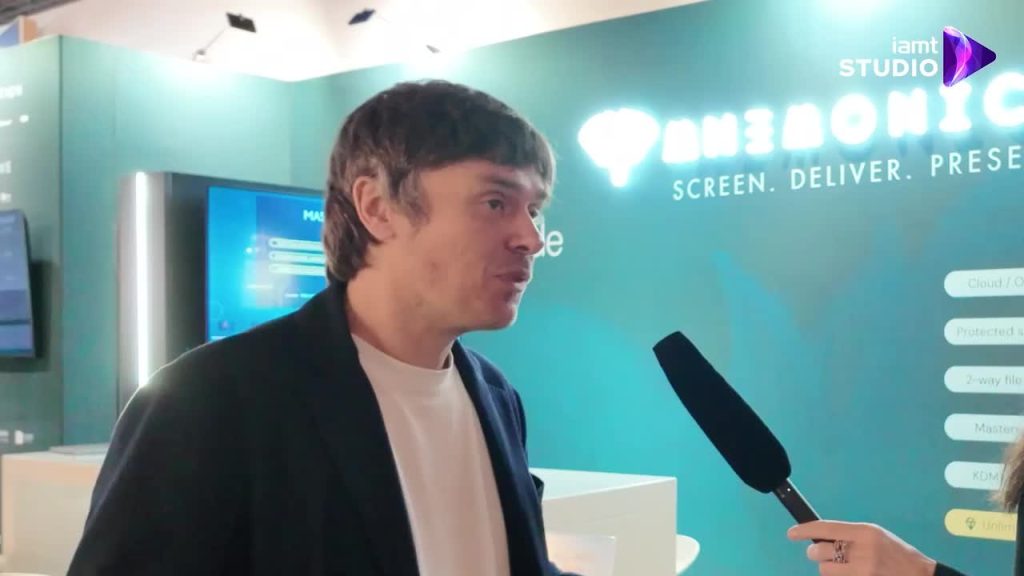
In this interview, Peder Boberg highlights how Intinor is strengthening reliability in live production through open standards such as SRT and 2022-7. He explains how Intinor’s new IDM simplifies the management of multiple devices, giving production teams greater control and efficiency. Peder also shows how Intinor’s latest updates enable broadcasters to adapt quickly to changing needs while maintaining the highest quality, ensuring flexible and resilient live workflows.
In this interview, Judy Zuo introduces Kiloview’s Cradle Series RF02, an all-in-one modular AV-over-IP solution designed to simplify and streamline IP video workflows. She explains how the RF02 integrates encoding, decoding, protocol conversion, network switching, and centralised management into a single compact 2RU device. Judy also highlights the flexibility of its modular card design, support for key technologies such as NDI, and the built-in KiloLink Server Pro, which provides intelligent control and bonding features tailored for professional production environments.
Join Jade Kurian and Paul Adrian as they reveal how latakoo is transforming video workflows for broadcasters and creators. Explore their award-winning Generative Video Codec (GVC), uncover how AI tools empower content creators to work smarter, and get an insider’s perspective on why trends like “bring your own storage” may not be as simple as they seem. This interview showcases how latakoo delivers critical speed, precision and efficiency for media operations worldwide.
In this interview, Kevin Salvidge unveils the LeaderPhabrix LPX500 ‘True Hybrid’ IP and SDI waveform monitor, marking the future of test and measurement. Combining the trusted features of both Leader and PHABRIX into a compact 3RU form factor, the LPX500 integrates four fully featured HD/UHDTV analysers with high-resolution waveforms and an intuitive analyser window GUI. Kevin highlights how users can view HD/UHDTV, IP/SDI, and SDR/HDR signals side-by-side on a fast, responsive touchscreen, with the option of an extended second display. He explains how the LPX500 redefines performance for 2025 and beyond, delivering the next generation of reliable, flexible test and measurement solutions.
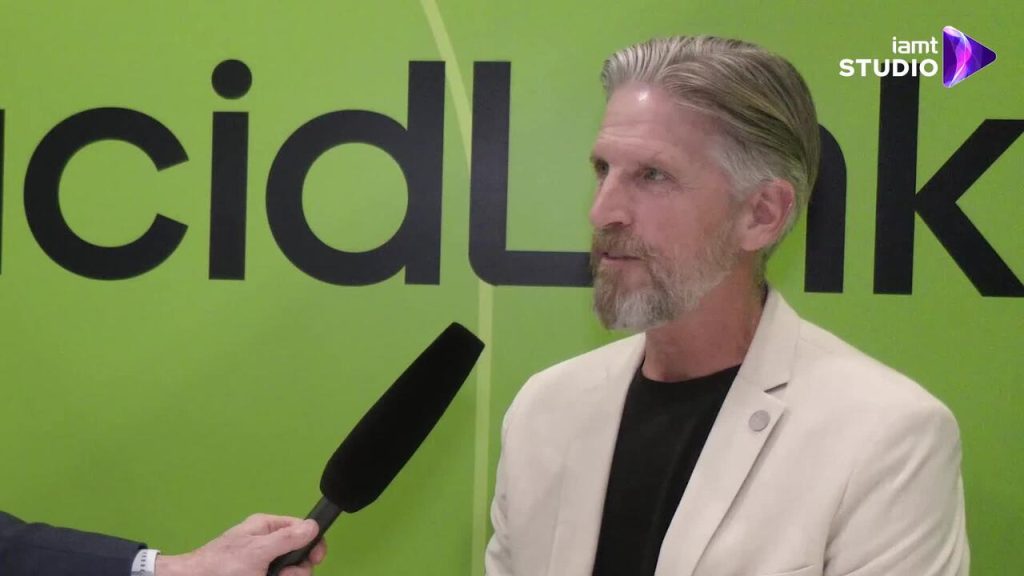
In this interview, Peter Thompson introduces LucidLink and discusses the company’s latest announcements and showcase at IBC. He also shares insights into what’s next for LucidLink over the coming year, outlining how the company is continuing to innovate and support media organisations with fast, secure, and collaborative cloud solutions.
In this interview, Amy Zhou highlights how Magewell is responding to and contributing to the rapid changes across the Pro AV and broadcast industries. She reflects on the company’s evolution from pioneering AV signal I/O technologies to today’s flexible IP- and software-driven product range. Amy showcases key innovations including the Pro Convert IP to USB, new USB 3.2 Gen 2 capture dongles, and the Director Mini/Director One, all designed to simplify workflows and enhance interoperability. She also explains how Magewell’s commitment to open standards and cross-platform control tools is helping users embrace AV over IP with confidence and ease.
In this interview, Mikael Dahlgren discusses Agama’s new generation of AI-powered analytics and what it means for the company’s vision and market position. He explores how Agama is ensuring these advanced technologies are not only innovative but also practical and easy for customers to adopt. Mikael highlights the benefits of reducing time-to-insight and accelerating issue resolution, showing how these advancements support customer satisfaction and business growth. He also shares his perspective on the biggest challenges and opportunities ahead for Agama in the evolving video delivery ecosystem over the next five years.
In this interview, André Rosado explains how AgileTV is driving business transformation for telcos and ISPs with its flexible, end-to-end TV-as-a-Service (TVaaS) platform. He highlights how AgileTV empowers operators to launch and scale modern video services rapidly, offering super-aggregation, full branding control, and freedom from legacy complexity. André also showcases AgileTV’s CDN Director, which blends smart traffic management with advanced anti-piracy tools, along with custom Android set-top boxes and a powerful Device Manager for real-time visibility and control across large-scale B2B deployments.
In this interview, Guillaume Devezeaux highlights how Alpha Networks is helping transform SVOD business models as they evolve toward freemium with ads. He explains why flexibility—through tools like A/B testing and user segmentation—is crucial for adapting strategies in today’s fast-changing market. Guillaume also emphasises Alpha Networks’ ability to support deployment at scale, enabling the rapid launch of multiple brands across countries and languages with no limitations, ensuring speed, adaptability, and resilience for global media players.