

Broadpeak – Where Media Over QUIC Fits in the Live Streaming Mix

Guillaume Bichot, CTO, Broadpeak
Media over QUIC (MoQ) is expected to be a prominent topic of discussion at IBC2026 and driving showfloor conversations as broadcasters look for new ways to deliver live video with lower latency and greater flexibility. Much of the discussion has focused on its future potential. The next step is understanding where MoQ fits into today’s production, contribution and delivery workflows, and where it can deliver clear operational benefits without replacing infrastructure that already works well.
The timing is no coincidence, as live sports continue to push streaming infrastructure harder every year, with viewers expecting broadcast quality, low latency and more interactive experiences. Features such as multiple camera angles, live statistics, sports betting and watch parties all depend on content reaching viewers with very little delay, which means broadcasters need more than additional network capacity. They also need more efficient ways to move media through production and delivery systems.
MoQ was designed with those challenges in mind. Built on the QUIC transport protocol, it uses a publish subscribe model instead of the request response approach used in HTTP streaming, allowing media objects to be distributed as soon as they become available rather than waiting for each client to request the next segment. The result is a more efficient way to move live media across distributed workflows while reducing unnecessary traffic across the network.
That does not mean broadcasters should replace existing delivery technologies. MoQ is another option that can be introduced where it delivers clear operational benefits, while established workflows continue to do the jobs they already do well.
Where MoQ Makes the Most Operational Sense
MoQ delivers the greatest value where low latency directly affects the viewing experience. Live sports are the clearest example because millions of people can join the same event at once while expecting the same quality they receive from broadcast television. Delays of only a few seconds are far more noticeable today, particularly when fans are following social media, placing live bets or messaging friends who are watching on another platform.
At the same time, production workflows are changing as broadcasters are introducing alternate camera feeds, multiple commentary options and live graphics that update throughout an event, creating workflows that require media to move between production systems far more efficiently than traditional streaming architectures were designed to support.
Cloud production is another opportunity where MoQ can deliver value, as production teams, graphics engines and processing tools increasingly operate from different locations, yet they all need access to the same media at the right time. MoQ allows systems to subscribe only to the media they need, reducing duplicate traffic while improving the efficiency of media distribution across production environments.
These are the types of workflows where MoQ offers practical advantages because it was designed for real-time media distribution, particularly where existing HTTP based workflows begin to show their limits.
Evolution, Not Replacement
MoQ is not intended to replace adaptive bitrate streaming. ABR has evolved over many years and remains the right choice for many services, including VOD, catch up television and large scale OTT platforms that rely on mature CDN infrastructure to deliver reliable performance across a wide range of consumer devices.
Broadcasters have also invested heavily in those delivery platforms, so replacing them would add cost and complexity without delivering meaningful benefits for every workflow. A gradual approach makes far more sense, with existing ABR workflows continuing to support large scale consumer streaming while MoQ is introduced where lower latency or more flexible media delivery delivers measurable improvements.
That approach also gives broadcasters time to build experience with the technology. Standards are still evolving and interoperability across the wider ecosystem will continue to improve, so introducing MoQ in stages allows organizations to test performance, understand operational impacts and expand deployment as the technology matures. That is how streaming has evolved over the past decade, with new technologies introduced to solve specific problems before gradually becoming part of broader delivery architectures.
From Experimentation to Deployment
MoQ is still at an early stage, although trials and industry collaboration are steadily improving interoperability while giving broadcasters a clearer understanding of how the technology performs in real production environments. Early deployments have shown that the greatest benefits come from introducing MoQ into targeted workflows rather than across an entire streaming platform. They are also helping broadcasters understand where interoperability, monitoring and operational processes still need to mature before wider deployment.
The next step is practical deployment, and broadcasters should start by identifying the challenges they want MoQ to solve before deciding where to introduce it. For some organisations that will be premium live sports, while others may see greater value in cloud production or interactive viewing experiences. The right decision will depend on the workflow rather than the technology itself.
Future streaming platforms are also unlikely to rely on a single delivery method because different workflows have different requirements. Broadcasters will continue combining multiple transport technologies and use each where it delivers the greatest benefit while protecting the investment they have already made in existing infrastructure.
As live streaming continues to grow, the industry’s focus is shifting from simply reaching larger audiences to building delivery architectures that are flexible, efficient and able to support new services as requirements change.
MoQ is still evolving and it will take time before it becomes part of everyday broadcast operations. Broadcasters do not need to wait for the standard to mature completely before they begin testing it. Those that introduce it where it solves genuine operational challenges, learn from those deployments and build on that experience are likely to be in the strongest position as the technology develops.
Latest IAMT News
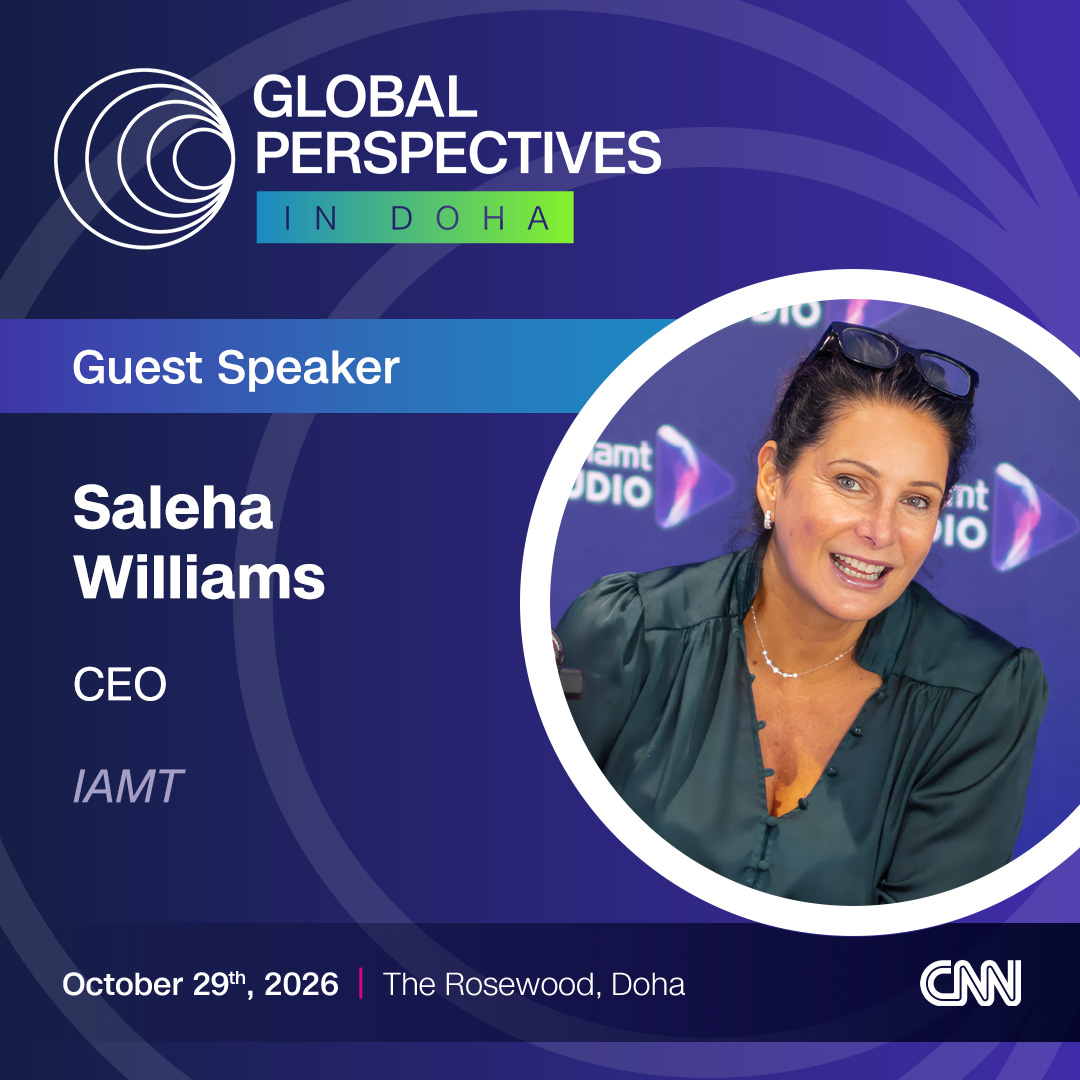
IAMT CEO, Saleha Williams, to speak on CNN Global Perspectives Doha
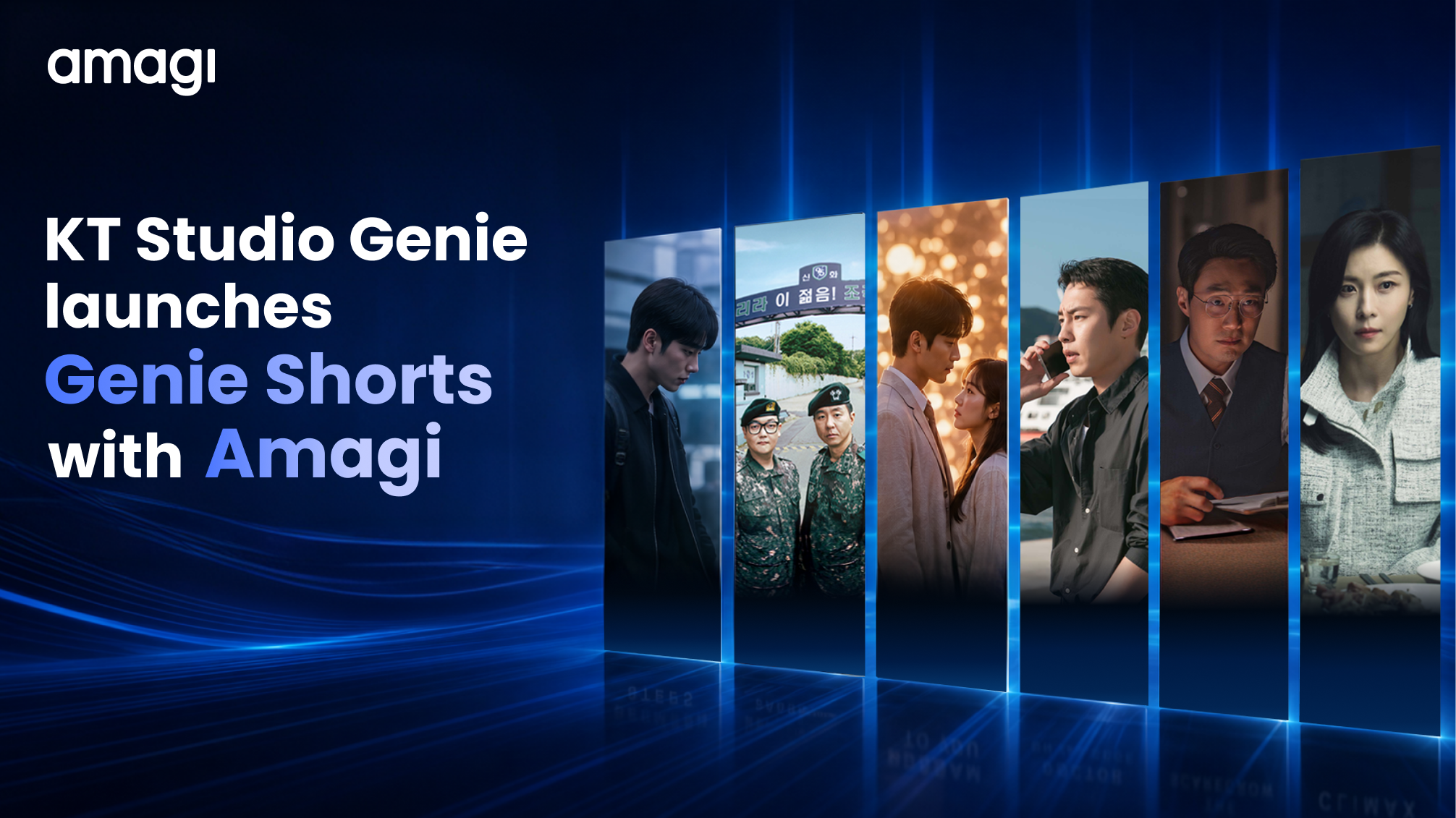
Amagi powers KT Studio Genie’s global micro-drama expansion

Sign-Up Here
Industry news, event updates and more. Sign-up for the IAMT Newsletter.