

First Gulf Company – Resilience as a Strategic Imperative: Building Future-Ready Media Organizations

Orlando Castro, CTO of Systems Integration Division, First Gulf Company
For decades, resilience in broadcasting was largely viewed as a technical challenge. If a system failed, a backup system would take over. If a site went offline, a disaster recovery plan would be activated. Resilience was measured by redundancy, uptime, and recovery times.
Today, that definition is no longer sufficient.
The media technology industry is operating in an environment of unprecedented complexity. Broadcasters and content owners are managing increasingly interconnected ecosystems that span on-premises infrastructure, cloud environments, remote production facilities, digital platforms, and global content distribution networks. At the same time, they face mounting pressures from cybersecurity threats, evolving audience expectations, supply chain disruptions, and the accelerating pace of technological change.
In this new reality, resilience has evolved from an engineering objective into a business strategy.
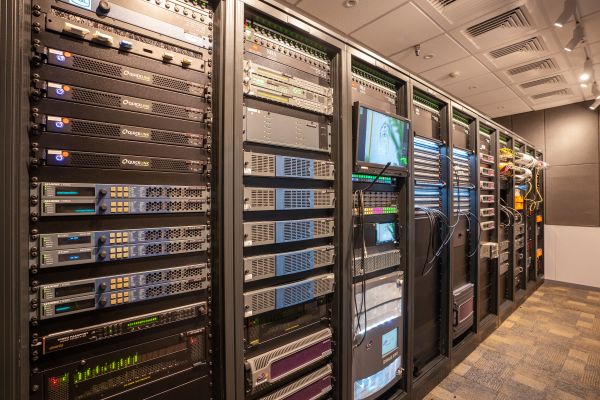
The organizations that will thrive in the years ahead will not necessarily be those with the most advanced technology only. They will be the organizations that can adapt quickly, continue operating under pressure, and maintain the trust of their audiences, stakeholders, and partners regardless of the disruption they face.
As media technology professionals, innovation naturally remains a central focus. New technologies continue to transform the way content is created, managed, distributed, and consumed. However, innovation without resilience creates vulnerability. Every new workflow, platform, integration, and connection introduces both opportunity and risk.
The challenge facing our industry is no longer simply how to innovate. It is how to innovate while maintaining operational continuity and long-term stability.
“The true measure of resilience is not whether a system can avoid disruption, but whether an organization can continue delivering value when disruption occurs. In today’s media landscape, resilience must be designed into every layer of the business—from infrastructure and cybersecurity to workflows, governance, and people.”
One of the most significant shifts we have witnessed across the media industry is the transition from isolated technology environments to highly interconnected ecosystems. The adoption of IP-based infrastructures, software-defined architectures, and cloud-enabled workflows has unlocked remarkable levels of flexibility and scalability. Yet these same advancements have also increased operational complexity.
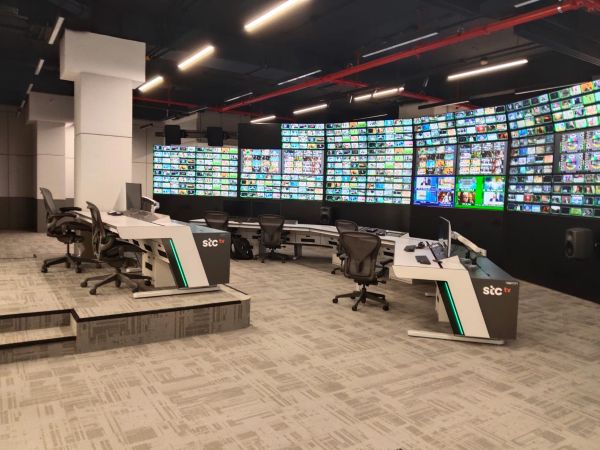
The industry has spent years pursuing efficiency through connectivity. The next phase requires ensuring that connectivity does not become a point of fragility.
This is where interoperability becomes critically important. Open standards and vendor-agnostic architectures provide organizations with greater flexibility to adapt as technologies evolve. They reduce dependency on single solutions, simplify integration strategies, and create more resilient operating environments capable of responding to changing business needs.
In many ways, resilience today is directly linked to choice. Organizations that preserve flexibility in their technology strategies are often better positioned to respond when market conditions, operational requirements, or technology roadmaps change unexpectedly.
Cybersecurity has become another defining element of resilience. As media operations become increasingly connected, the distinction between operational technology and information technology continues to disappear. A cybersecurity incident is no longer merely an IT issue—it can rapidly become an operational issue with direct consequences for content delivery, production workflows, and business continuity.
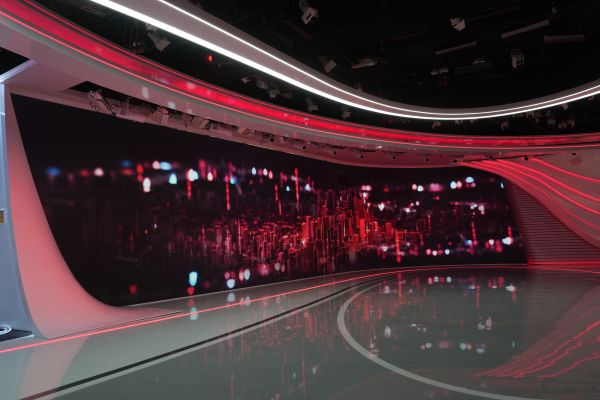
The industry’s response must therefore move beyond perimeter protection and reactive security measures. Resilience requires a holistic approach that combines robust architecture, continuous monitoring, risk management, governance, and incident response planning.
Equally important is the recognition that resilience extends far beyond technology itself.
Throughout our experience delivering mission-critical media infrastructure projects across the region, one lesson has consistently emerged: technology can only be as resilient as the people and processes supporting it. The most successful organizations are those that invest not only in infrastructure but also in operational readiness.
Regular testing, scenario planning, failover exercises, and cross-functional collaboration remain essential components of resilience. Systems may be engineered to perform under pressure, but organizations must also ensure their teams are prepared to do the same.
The global events of recent years have reinforced another important lesson: geographical diversification matters. Broadcasters increasingly require the ability to operate across multiple locations, support remote workflows, and maintain continuity regardless of physical constraints. Distributed operations, centralized management models, and cloud-enabled services have become powerful tools for reducing risk and increasing operational flexibility.
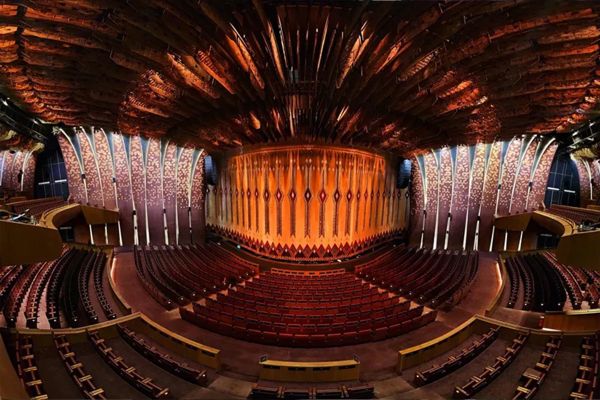
At the same time, artificial intelligence is beginning to reshape how resilience is achieved. Predictive analytics, automated monitoring, anomaly detection, and intelligent resource management are enabling organizations to identify issues earlier and respond more effectively. Rather than simply recovering from failures, organizations are increasingly able to anticipate and prevent them.
While AI will undoubtedly play an important role in the future of resilience, technology alone will never be the complete answer. Resilience remains fundamentally human. It is built through leadership, culture, preparedness, and the ability to make informed decisions during periods of uncertainty.
This is perhaps the most important shift taking place across our industry. Resilience is no longer viewed as a technical safeguard operating in the background. It has become a strategic capability that influences investment decisions, operational models, technology roadmaps, and long-term business success.
At First Gulf Company, our guiding principle has always been being Trusted to do. While this philosophy is often associated with project delivery and execution excellence, its relevance extends far beyond implementation. Trust is ultimately built on reliability, consistency, and the confidence that critical systems will continue to perform when they are needed most. Resilience is therefore not only a technical requirement—it is a foundation of trust.
As the media technology industry continues to evolve, disruption will remain inevitable. The organizations that succeed will not be those attempting to eliminate uncertainty altogether. They will be those that embrace change while building the adaptability, flexibility, and resilience required to navigate it.
In the years ahead, resilience will increasingly define competitive advantage. Not because it prevents disruption, but because it enables organizations to move forward with confidence.
| Contact Details:
First Gulf Company Sunrise Building, Al Safa 2 Sheikh Zayed Road, Dubai, UAE Email: info@fgc.me Website: www.fgc.me |
Social Media:
|
Latest IAMT News
Globecast Demonstrates Content Exchange Latest Capabilities at SPORTEL Monaco 2026

Beam Dynamics Appoints Brian Mauger as Regional Sales Manager, North America

Sign-Up Here
Industry news, event updates and more. Sign-up for the IAMT Newsletter.