Glensound – What 60 Years Of Change Has Taught Us About Efficiency
Marc Wilson, Managing Director, Glensound
Efficiency has always been part of the conversation in broadcast. Over Glensound’s 60 years, the technologies used to capture, move and manage audio have changed almost beyond recognition, but much of that progress has been about finding simpler and more practical ways to get the job done.
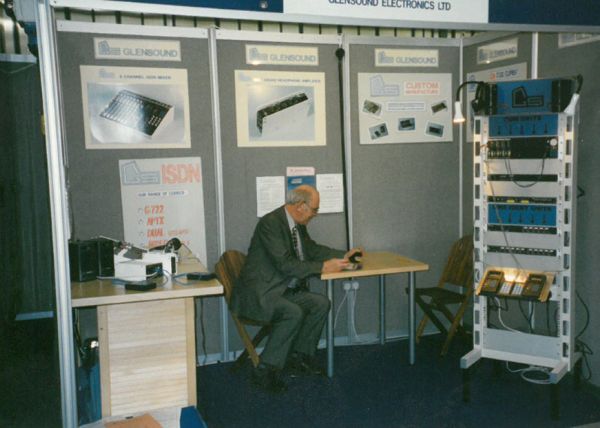
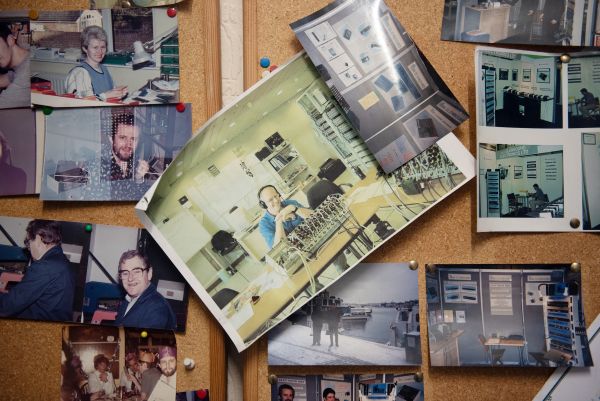
Looking through our own archive brings back plenty of reminders. Glensound began in 1966 with Len Davis developing a telephone balancing unit for BBC Radio. By the 1990s, Len could be found at trade shows surrounded by ISDN equipment, at a time when ISDN was changing remote contribution and giving broadcasters a much more practical way to move high-quality audio between locations. Today, those boxes look firmly rooted in another era, but the requirement behind them is completely familiar. Broadcasters needed reliable audio from somewhere else, without creating unnecessary difficulty at either end.
Providing facilities to commentary positions in stadiums in the 80s typically involved reels of multicore cable, which was heavy and expensive. When we introduced multiplexed signals on coaxial cable, we were able to move multiple channels of high-quality audio between commentary positions and OB trucks along a single coaxial cable. This was a significant efficiency boost in sports commentary and was still widely used up until the arrival of network audio systems.
From Dedicated Connections to The Network
In the early days, audio was analogue. AES followed, then network audio brought a much bigger change in how signals could be distributed across a facility. For us, that shift accelerated around 2015 when we started working more extensively with Dante. Within a few years, the bulk of our development had become network-audio based. Instead of coaxial cable or dedicated point-to-point connections, multiple channels could travel over standard network infrastructure and be routed wherever they were required.
There were obvious efficiency gains, but adoption was not simply a question of supporting Dante and putting an Ethernet connector on the back. Broadcast users expected the same resilience they had always required. Dual power supplies, redundant networking and predictable behavior in the event of a failure remained important. Network audio was already well established in live production, but applying broadcast expectations to it was part of making it suitable for another environment.
We have also seen adoption move at different speeds in different parts of the globe. Some customers moved quickly to networked systems, while others remained with established technologies for much longer. That is normal with any major technical shift. The benefits have to be clear enough to justify changing something that already works.
Different Requirements For Different Users
Efficiency also depends heavily on who is using the system. Glensound has been involved in parliamentary audio since the late 1980s. A parliamentary chamber can bring together delegates, clerks, broadcast teams, engineers and remote participants, all working through the same overall infrastructure but with very different requirements.
The system itself may be managing audio, voting, camera control, recording, broadcast feeds and remote participation. It would make little sense for everyone to have access to all of that. Our work in this area gradually developed into the Parliamentary Broadcast System, but the important part has always been understanding the roles involved. A delegate needs a very different interface from the engineer controlling the room. The complexity still exists underneath, but it does not need to be presented to everybody.
That becomes increasingly relevant as technical roles broaden. People may now work across audio, networking, software and production rather than one discipline. Good training remains important, but there is also a responsibility to make systems clear enough that people can concentrate on the task rather than the equipment.
Learning a Different Workflow
Moving into esports gave us another perspective. Initially, many of the requirements appeared close to areas we already understood. Once we started working with tournament producers, the differences became much clearer.
A tournament can involve game audio from several platforms, team communications, separate channels for coaches and referees, white noise between matches and remote engineering control. Different games and tournament formats can also change the setup from one event to the next. Working through the audio chain with people running the events showed us where they were spending time and what they needed to control.
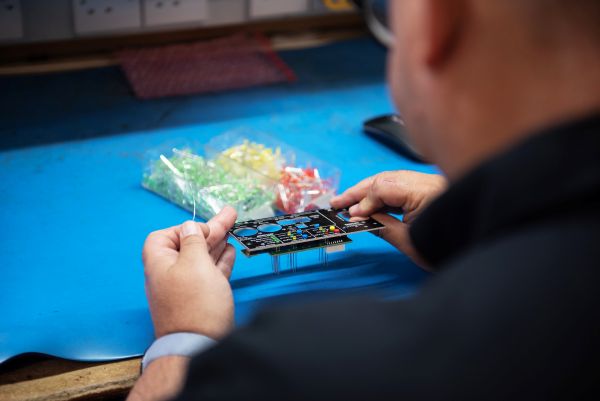
That feedback shaped GTM, which brought multiple functions into one system. At the time, we estimated that the approach could at least halve the hardware cost of a large tournament, as well as reducing the amount of equipment that had to be configured. Our broadcast background helped with reliability and audio quality. It did not tell us how an esports tournament worked. That part had to come from the people running it.
The Next Change is Already Here
We are now having similar conversations around automation and AI. There is clearly a lot of potential to remove repetitive processes, make information easier to handle and speed up decisions. But we have seen enough new technologies arrive over the years to know that the technology itself is only part of the story. A process does not necessarily become more efficient simply because it happens faster. The real benefit comes when the underlying workflow makes sense in the first place.
That is also where product life comes into the discussion. We know of Glensound equipment still being used daily after more than 40 years. Networked products are unlikely to remain technically current for the same length of time, but there is still value in building equipment properly, supporting it for as long as practical and making sure it solves the right problem from the start.
IBC has been part of many of these changes. This September we will be there again with new products to launch, but it is also one of the places where we hear how working practices are changing. After 60 years of new standards, new markets and new ways of moving audio, those conversations are still an important part of making the next generation more efficient.
Latest IAMT News
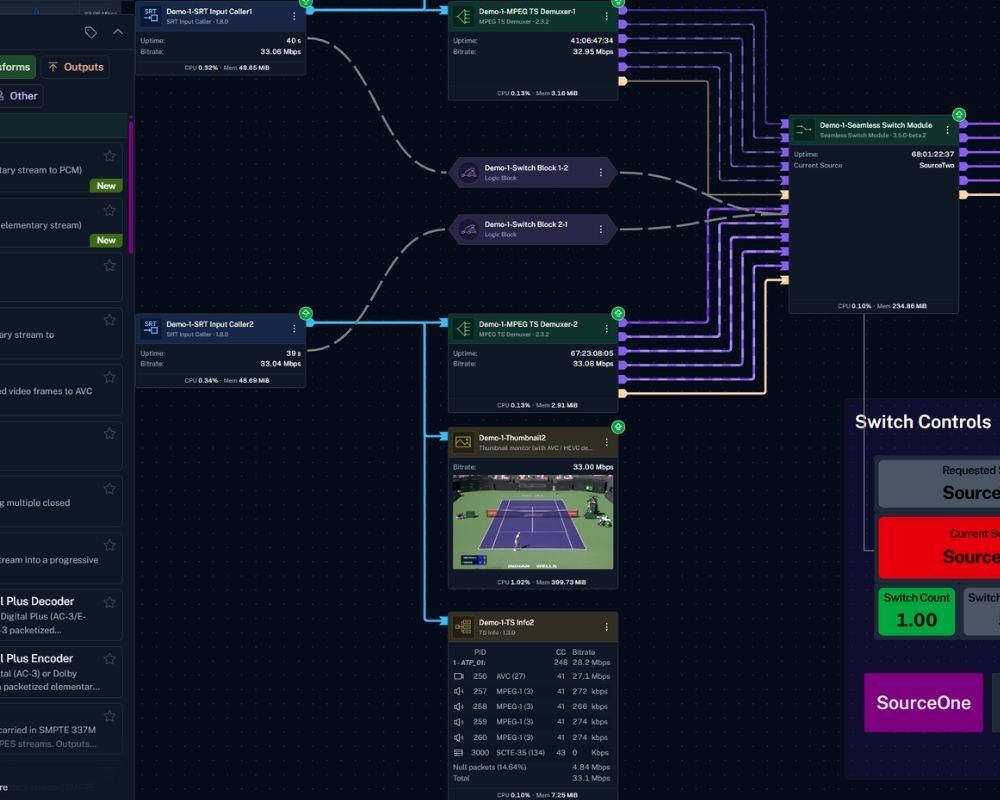
Techex Addresses C-Band Transition with Combined Satellite and IP Delivery at NAB New York 2026
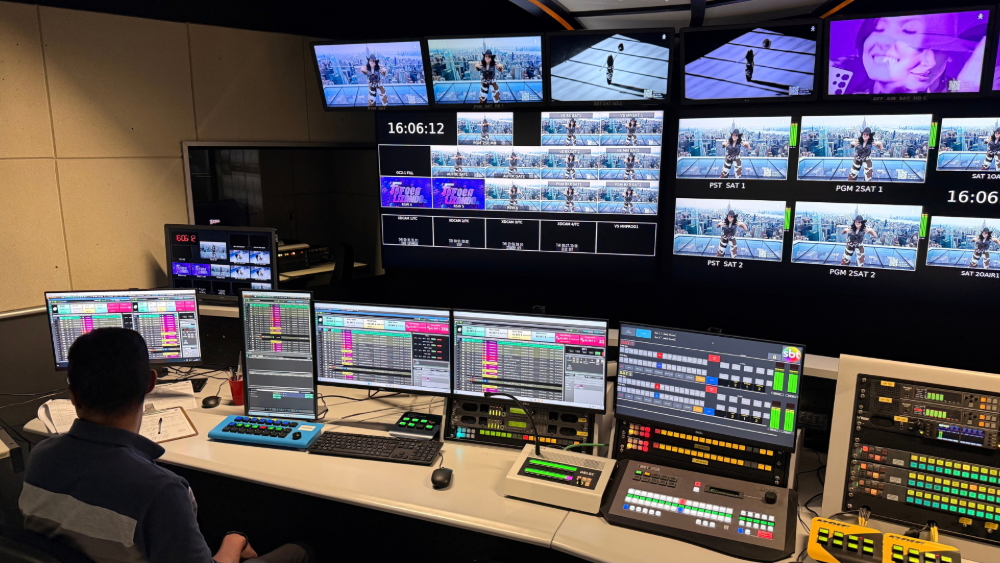
SBT expands playout operations with Pebble Automation

Sign-Up Here
Industry news, event updates and more. Sign-up for the IAMT Newsletter.