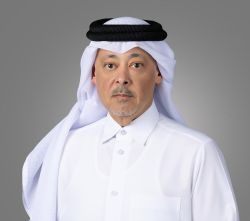
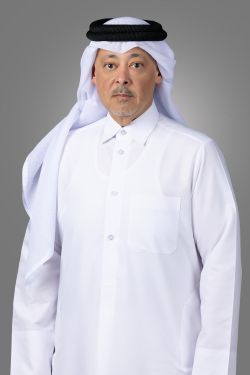
An interview with Hamad Omar A. Al-Mannai, Chief Executive Officer of Media City Qatar
Introduction
There are almost 500 million Arabic speakers worldwide, yet only 3% of online content is produced in Arabic: a striking gap that highlights the scale of opportunity for the region’s media and creative sectors.
Media City Qatar was established to help build the environment where that next generation of creators, companies, and ideas can grow. Strategically located between East and West, Qatar offers a strong base for developing a sustainable media and digital content industry with long-term international impact.
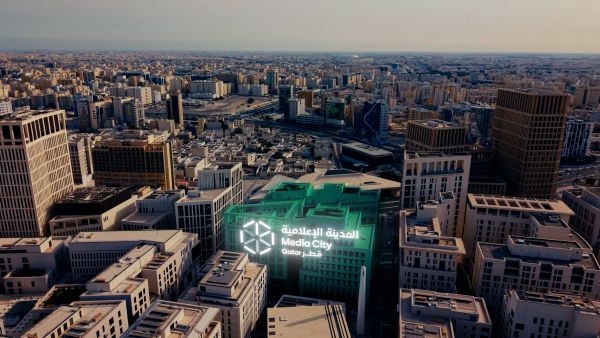
Today, Media City Qatar is already home to 420+ media companies, including international players alongside local and regional innovators and start-ups. With regulatory clarity and supportive infrastructure, the ecosystem enables media businesses to create, collaborate, and scale.
As the industry evolves, media no longer operates in separate verticals. Content now sits at the intersection of technology, storytelling, and audience experience, shaping how people interact, socialise, and engage across platforms. Media City Qatar brings these sectors together in one environment designed for experimentation and innovation.
Through partnerships such as IAMT, Media City Qatar continues to strengthen its role as a bridge between East and West, connecting global innovation with regional opportunity and helping build a dynamic ecosystem Where Next is Made.
- For audiences encountering it for the first time, how would you describe Media City Qatar today and the role it plays within the media landscape?
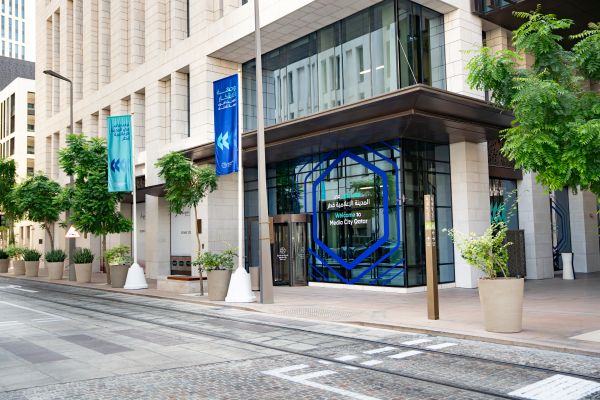
Media City Qatar was established in 2019 through Amiri Law No. 13, with a clear purpose: to support Qatar’s economic diversification and to build a sustainable media and digital content industry that can generate long-term creative value from the region. At the heart of this vision is a simple but essential principle: we need local talent to fuel the engines of our creative industry for long-term sustainability.
Since then, our focus has been on putting the right foundations in place so companies and creators can operate with confidence. Today, Media City Qatar is home to more than 420 licensed companies, including major international organizations such as CNN, Dow Jones, Euronews, dpa, AP, iHeartMedia, and Art Basel Qatar, alongside a rapidly expanding community of emerging ventures. Around 60 percent of our licensed companies are startups, showing that Doha is becoming a place where the next generation of media businesses can grow with regulatory clarity and supportive infrastructure.
What is equally encouraging is the growing global interest in joining this ecosystem. At the start of February, during just four days of Web Summit Qatar, more than 240 companies expressed interest in becoming part of Media City Qatar and the ecosystem we have created.
- Across the region, the boundaries between broadcasting, production, gaming, digital platforms, and media technology are rapidly dissolving. How is Media City Qatar bringing these sectors together in a meaningful and practical way?
What we are seeing across the region, and globally as well, is a clear shift.
You see it when a newspaper is no longer only publishing print stories, but also producing video for social platforms, podcasts, and live events. TV broadcasters are building streaming platforms watched by hundreds of millions of people worldwide, with streaming now accounting for nearly half of all television viewing in major markets such as the United States.
So what does all of this tell us? It reconfirms that media no longer operates in separate verticals. It is becoming part of the wider media experience, shaping how audiences interact, socialize, and engage with content across platforms.
This is exactly where Media City Qatar comes in: we bring these sectors together in one environment.
- Stories from the Middle East are reaching wider audiences than ever before. How do you see Arabic and multilingual storytelling evolving across social platforms, gaming environments, and immersive formats?
Maybe the better place to start is with a simple question: why shouldn’t stories from our region travel the world in the same way others already do?
We all grew up watching Hollywood films, no matter where we were in the world. But in recent years, we have seen stories from Bollywood, Korean dramas, Turkish television, and Latin American productions reach global audiences and shape international culture. And once upon a time, our stories did travel like One Thousand and One Nights. Naturally, we want to see the same global reach for stories from the Middle East again.
What makes this moment especially important is the scale of the opportunity. Arabic is one of the most widely spoken languages in the world, used daily by almost 500 million people, yet only around three percent of online content is produced in Arabic. That gap shows how much room there is for growth in storytelling, production, and global distribution.
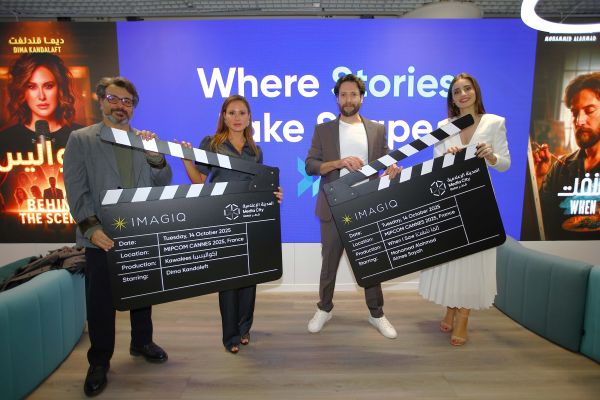
We are already seeing encouraging progress. At MIPCOM Cannes 2025, the world’s largest market for television and streaming content, we at Media City Qatar announced our support for two original Arabic scripted drama series, When I Saw and Behind the Scenes, produced in collaboration with ImagiQ Productions, one of the companies within our ecosystem. Supporting high-end Arabic storytelling – be it short-form video, gaming environments, social platforms, and immersive experiences – is essential if local narratives are to compete internationally and reach wider audiences.
Our role at Media City Qatar is to create the conditions for that to happen.
- Looking ahead, how does Media City Qatar’s partnership with IAMT support its vision, and why is this collaboration important?
Our vision is clear. At Media City Qatar, we want to position the country as a place where regional and global media is created, tested, and scaled to the world. Partnerships like the one with IAMT, are central to making that vision tangible.
What makes this collaboration valuable is its direct link to the global media technology ecosystem. IAMT brings together leading companies across broadcast, media, and technology, connecting innovation, industry standards, and market access. For Media City Qatar, this means we are part of a global network that influences how media is produced and distributed.
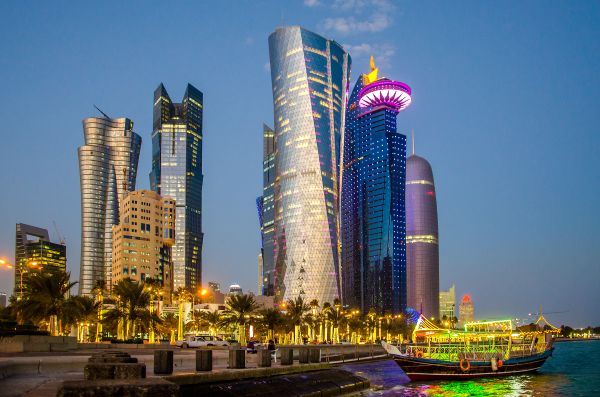
We are already seeing how Doha is becoming a natural meeting point for global industries through platforms like the ‘Qatar Economic Forum, Powered by Bloomberg’, Web Summit Qatar, major FIFA tournaments including the FIFA World Cup Qatar 2022™, and global cultural moments such as Art Basel Qatar. The partnership with IAMT builds on that momentum by adding depth to our ecosystem, bringing in expertise, facilitating knowledge exchange, and creating opportunities for collaboration between international players and our local and regional community.
Ultimately, this partnership strengthens our role as a connector East and West, linking global innovation with regional opportunity, and helping build a dynamic ecosystem Where Next is Made.
Latest IAMT News
Globecast Demonstrates Content Exchange Latest Capabilities at SPORTEL Monaco 2026
Beam Dynamics Appoints Brian Mauger as Regional Sales Manager, North America

Sign-Up Here
Industry news, event updates and more. Sign-up for the IAMT Newsletter.