Avid ingest and playout solutions power MediaCity Studios
MediaCity Studios is the UK’s leading television facility where some of the nation’s best-loved programs are made. Based at the heart of Media City in Salford, near Manchester, their studios and specialist post-production services offer broadcasters, production companies, and creative agencies the world-class facilities they need to produce award-winning content.
When it came to updating their ingest and playout platform, which powers many of their studio productions, they chose Avid | Stream IO.
KEY TAKEAWAYS
MediaCity Studios needed a more flexible, modern ingest and playout system to replace their aging Avid AirSpeed setup, which couldn’t meet evolving client needs, such as supporting multiple formats, tools, and storage platforms.
They chose Avid | Stream IO because it enables them to:
- Win clients across a wider range of workflows by supporting their preferred tools, Avid or not
- Take on the biggest, most complex studio productions by ingesting dozens of camera channels simultaneously, all frame-synced, all with metadata at capture
- Avoid the integration headaches of stitching point solutions together: Avid | Stream IO drops into the existing Avid ecosystem as one supported, end-to-end solution
- Start editing while the cameras are still rolling. Media is available within seconds of record, so production does not need to wait for ingest to finish
And it works on standard hardware, is quick to deploy, and is easy to scale. This delivers:
- Much greater flexibility for wider range of clients
- Faster, more efficient production workflows
- The ability to record, edit, and access content remotely
- Reduced integration complexity with an end-to-end Avid solution
Bottom line: Avid | Stream IO modernized their ingest/playout workflow, making it scalable, flexible, and future-ready while staying fully integrated with Avid tools.
THE CHALLENGE
MediaCity Studios (formerly known as Dock10) needed to update their ingest and playout solution for their studios to meet changing demands from their clients.
While their Avid AirSpeed installation had served them well for many years as a baseband SDI ingest solution, new requirements meant it no longer offered them the capability they required, prompting them to consider other competing products in the market. Jon Hatto, head of production technology at MediaCity Studios, explained that they needed greater flexibility for their ingest and playout platforms than the AirSpeeds could provide. They need to enable their clients to ingest not only to their Avid infrastructure, but also to other storage platforms too, and in both OPAtom and OP1a formats.

He said, “AirSpeed is really based around the Avid ecosystem of recording linear broadcast formats, and that really didn’t gel with some of our clients’ requirements to bring in alternative tools like Adobe Premiere. So, they wanted a way to get access to these user tools, but us still being able to support that recording and that playout function as well.”
MediaCity Studios provide facilities for many external clients, including universities in the region. Being adaptable is crucial to the operation’s success and addressing multiple demands is essential.
“So having that flexibility to say we’ve got a recording tool that will satisfy any of your end-user tool requirements is really powerful for us, and it certainly stops us being pigeonholed or pigeonholing our clients into only one solution,” Jon said. “That then makes us a lot more reactive, so we can take on what their requirements are and provide the best tool for them.”
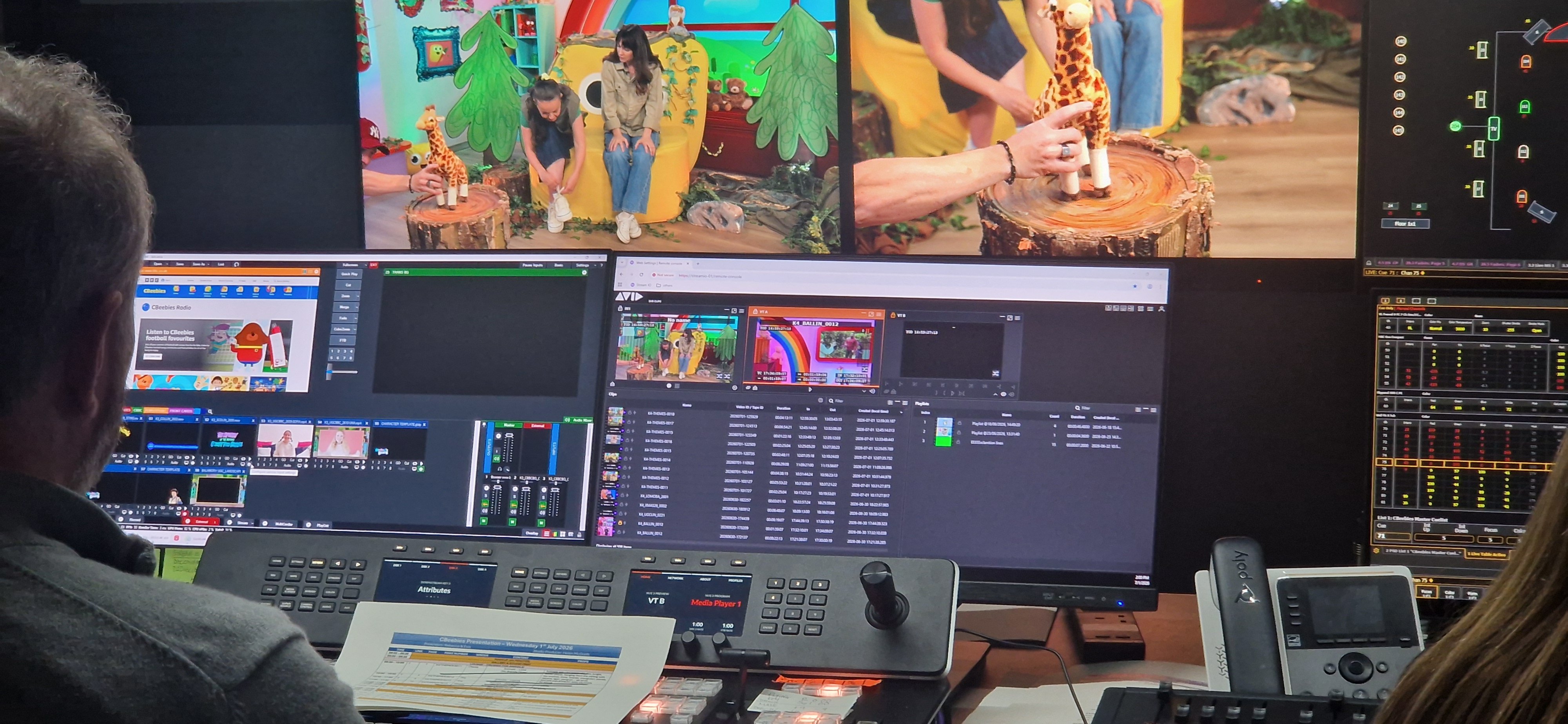
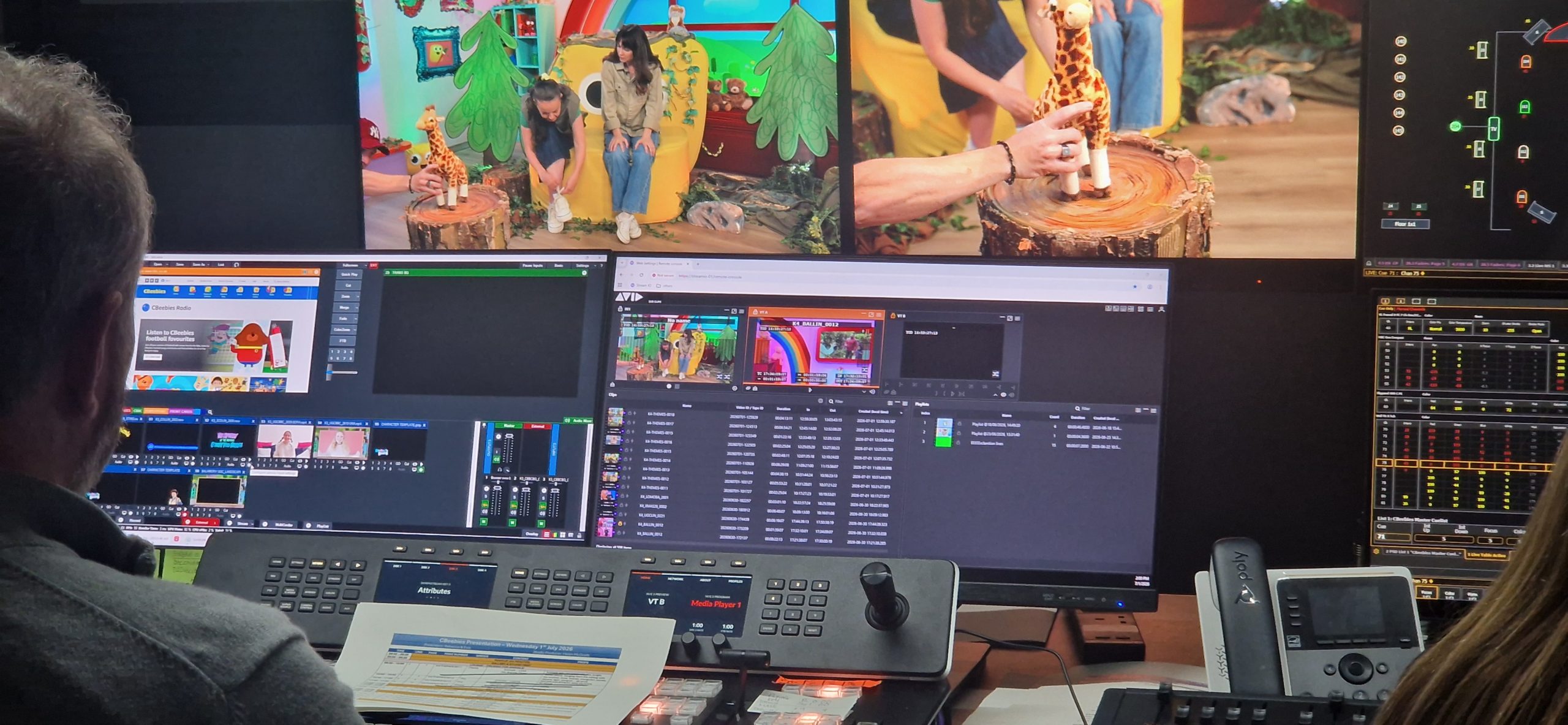
Their Avid infrastructure includes MediaCentral for media asset management with Avid NEXIS shared storage, MediaCentral | Cloud UX for video review, logging, and editing, and Media Composer for their NLE.
Being able to ingest at scale is also critical to their business to ensure they can support large, complex studio productions with the highest quality demands. “I’m sure we’re not alone,” he added. “We have a studio requirement, which is we record a lot of cameras. So all the ISO channels get recorded in one go. They all need to be frame synced to whatever we’re recording, and that can require having up to 25 cameras that we record simultaneously.”
“So we’ve got a requirement there straight away for a large number of channels, all being simultaneously put into record and all having that metadata added at the time of ingest. So that was really our key requirement when we went to market and said, ‘What’s out there that we can use?’”
Staff at MediaCity Studios began evaluating solutions available on the market. Jon said, “Obviously being an Avid customer anyway, we were very keen if we could stay with an Avid solution, but only if it met our requirements.”
THE SOLUTION
After an exhaustive evaluation process where they appraised a variety of competitive solutions in the market, MediaCity Studios decided to invest in Avid | Stream IO.
Having an ingest and playout solution which is tightly integrated with their wider infrastructure was a critical part of their decision-making process, along with the flexibility it brings. In total, MediaCity Studios have 44 channels of Avid | Stream IO available for ingest or playout, supporting formats such as AVC, XAVC, 1080p, and UHD.
“Procuring a solution that I know is going to work and I know is supported via a large manufacturer is really important, giving me that confidence to say ‘This solution, it is out of the box. It doesn’t require others’ customization or development work.’”
Avid | Stream IO is a software-based solution which runs on Commercial off the Shelf (COTS) hardware and is available as a subscription. It has flexible options for two, four, or eight configurable channels of ingest and playout, scaling from proxy resolutions to UHD in both OPAtom and OP1a formats. Simultaneous multi-resolution ingest is supported, along with ingest to multiple shared storage environments—so if one storage target goes offline, the recording continues uninterrupted. Within seconds of a recording starting, media is available for post-production tasks such as viewing, logging, or edit while capture.
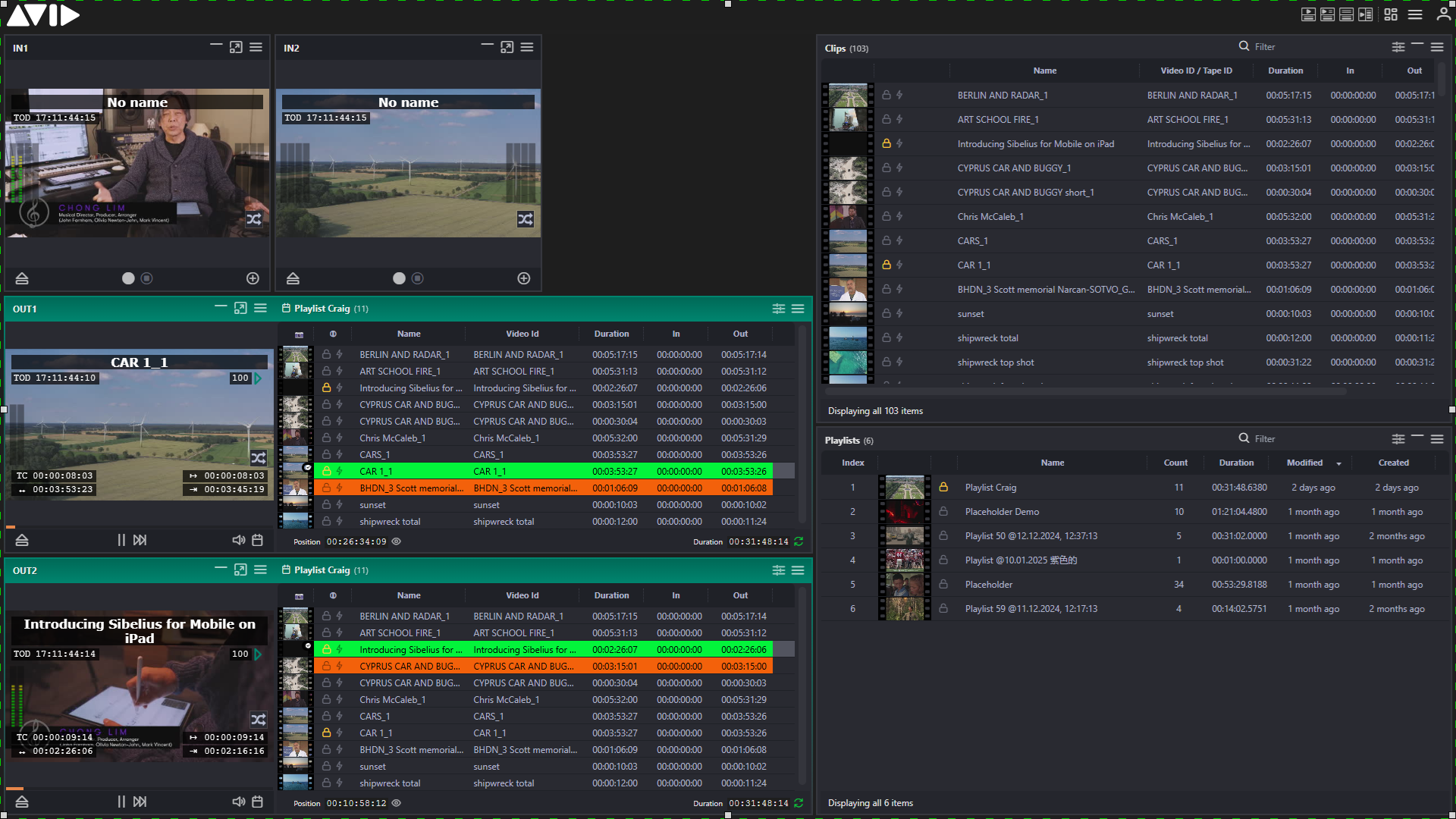
It can be controlled via a web-based Remote Console and by ingest controller MediaCentral | Acquire, which can control multiple Avid | Stream IO devices. It supports both SDI and IP-based sources, including SRT and RTMP and those based around the SMPTE 2110 protocol. It can also integrate with broadcast automation software both from Avid or third parties.
MediaCity Studios’ end-to-end Avid solution features almost 1PB of Avid NEXIS shared storage, delivering high performance for demanding productions. They have 50 licenses of MediaCentral available for viewing, logging, or shot listing using the web-based MediaCentral | Cloud UX or for craft editing with Media Composer. The solution also includes a variety of powerful media services and an archive.
Jon added, “I could go out to market and buy different solutions for each stage of that workflow, and I’d be then into a lot of headaches of integration and ‘Does it work?’ or staying in step with upgrades and all those sorts of headaches that come along with that journey.”
He went on, “That we can get it up and running within a day is really useful. That’s something that we’d need to be able to deliver, and I don’t think it’s something that I would want to deviate from to be honest. To have that out-of-the-box solution that’s pure integration, I think is really important.”
Some of MediaCity Studios’ clients also take advantage of their wider Avid infrastructure, as Jon explained, “Our day job is using the rest of the Avid tools from our studio environment. So having that link into MediaCentral is key.”
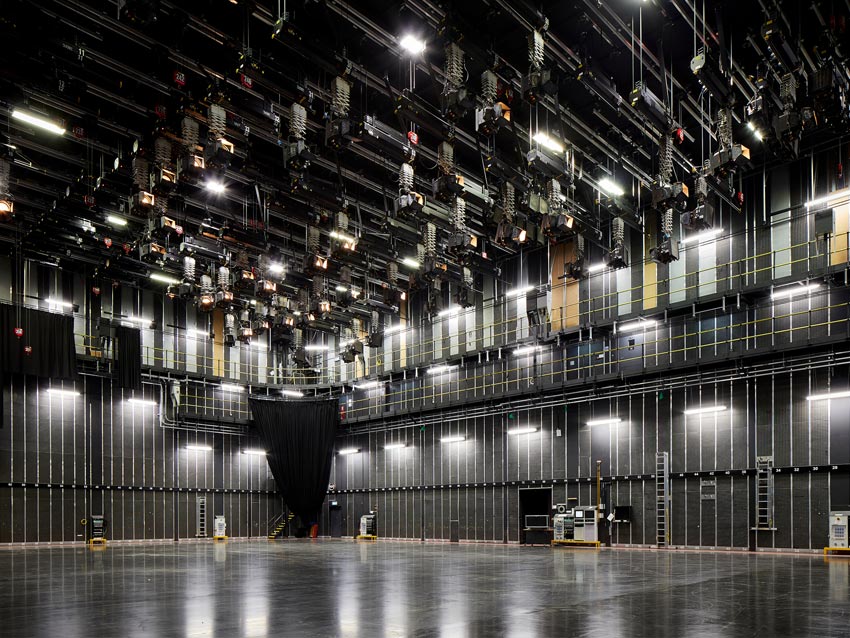
Recordings carried out using Avid | Stream IO to Avid NEXIS shared storage are immediately available for review, logging, and editing in MediaCentral | Cloud UX, or in Media Composer NLE clients.
Jon added, “So we’ve got a client that started using Stream IO, recording directly into MediaCentral and then using MediaCentral | Cloud UX as the end-user tool to clip up content, push it through to their compliance platform, as they call it, and then it goes through to their delivery platform as well.”
With Avid | Stream IO being web-based, they have the ability to access it securely from anywhere—a capability that has never existed before.
“So they’ve got tools that they can use, not just in the gallery, but anywhere. And this isn’t something they’ve had before, so they can remotely access Stream IO if they needed to. They can view what’s being recorded. They can work playouts remotely as well, all on their own BYOD devices, and they’re then using MediaCentral | Cloud UX to do all this clipping up and viewing content.”
Jon also called out the close collaboration between Avid’s product management team and solution architects as instrumental in giving them confidence in the product. “I think that was a really useful process. Having that sort of accessibility is really important.”
“It felt very much that if I would talk to a salesperson, I wouldn’t get the level of exposure into the technical design or any of the requirements that I had at the level I wanted to have that (conversation). This was one of the biggest things that tipped it for me in terms of getting that confidence that this is a product that we can stick with and work with for the next three years.”
Latest IAMT News
UTO at IBC 2026: What We Reinforced and What Comes Next
LiveU Showcases AI-Driven Production, Resilient IP Contribution and Workflow Automation at CABSAT 2026

Sign-Up Here
Industry news, event updates and more. Sign-up for the IAMT Newsletter.