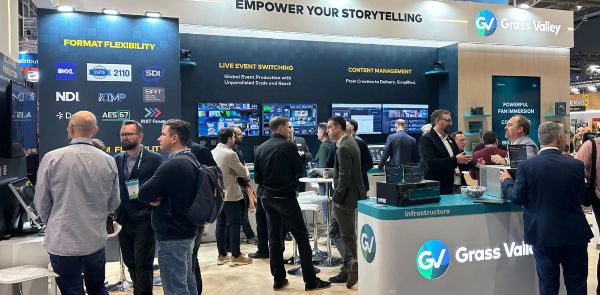
Reflections on ISE 2026

Jonathan Lyth, Product Director, Enterprise Media, Grass Valley
Last year, Grass Valley made its ISE Show debut and approached it very deliberately as a listening exercise. You learn quickly how teams are building within real constraints, as well as the pressures they are working around and what they expect and need from the systems that support them.
12 months later, returning to Barcelona really confirmed how broadcast, AV, enterprise IT and live production are now overlapping and informing the same projects. That overlap was visible in the kinds of environments people described throughout the week. Corporate studios producing weekly output as part of internal operations, government spaces designed for permanent capture, archive and oversight, venue control rooms supporting both in-room and distributed audiences as standard.
Convergence is now expected in the design
As video becomes more embedded, the questions teams bring to the table change. Teams want workflows they can return to without rebuilding from scratch, and they want to know that when expectations change, the system will move at the same pace. Most organizations discover over time that requirements are rarely fixed and what looks sufficient during installation can feel restrictive a year later.
Enterprise environments bring additional layers of responsibility. Governance frameworks are often in place before production technology is introduced, while security review is routine. In finance environments, policy dictates where media can exist and how it can move, while in government settings, continuity and oversight are seen as core expectations.
Software-defined production has gained attention in that context because it allows a separation in the way the architecture is structured. With AMPP, media processing can remain within the customer’s controlled environment when required, while orchestration and workflow management operate independently. That flexibility provides room to adapt over time and it means teams can reconfigure workflows without dismantling the entire deployment.
When permanence changes the conversation
Another key observation from the show was the longevity of enterprise installations. They are environments expected to remain operational in the long-term and integrators play a key role because they understand how production fits into the building, the network or the governance model. Their perspective often determines whether a system becomes part of the organization’s standard operating approach.
Whether it’s integration surfaces, APIs, long-term supportability or the ability to connect production into a broader system, they are all part of what determines whether a platform can be standardized over time. These considerations influence long-term viability more than a single product specification. Channel enablement, therefore, is directly tied to product relevance. If partners cannot extend and adapt the platform confidently, then the system’s lifespan shortens.
Developing for real-world lifecycles
Looking at the upcoming roadmap, several themes are emerging. IPMX support is planned for later in 2026, building on the existing ST 2110 foundations. Interoperability continues to shape deployment decisions, particularly in environments where infrastructure must coexist with broader network strategies. Product development is also moving through steady iteration, with feature additions increasingly shaped by customer feedback from deployed environments.
But while 2026 priorities are concentrated in corporate, finance, government, and venue markets, it was interesting to see how other sectors, including esports, education, house of worship and health are already active and likely to become more structured areas of attention. The ambition for enterprise media is straightforward, building a revenue base that can grow and sit alongside broadcast over time, a reflection of just how deeply embedded video has become, especially in organizations that would not have described themselves as media operations even a few years ago.
What ISE reveals about where this is all heading
ISE 2026 reinforced that convergence between broadcast AV and enterprise media is now influencing everything from system design through to integration and procurement. Teams are approaching video as infrastructure, with longevity and adaptability now part of the evaluation criteria from the outset. For Grass Valley, it simply reinforces the direction we are already focused on. We are here to support teams with platforms and partner ecosystems that fit this enterprise reality, where convergence shapes how systems are expected to operate and evolve over time.
Latest IAMT News
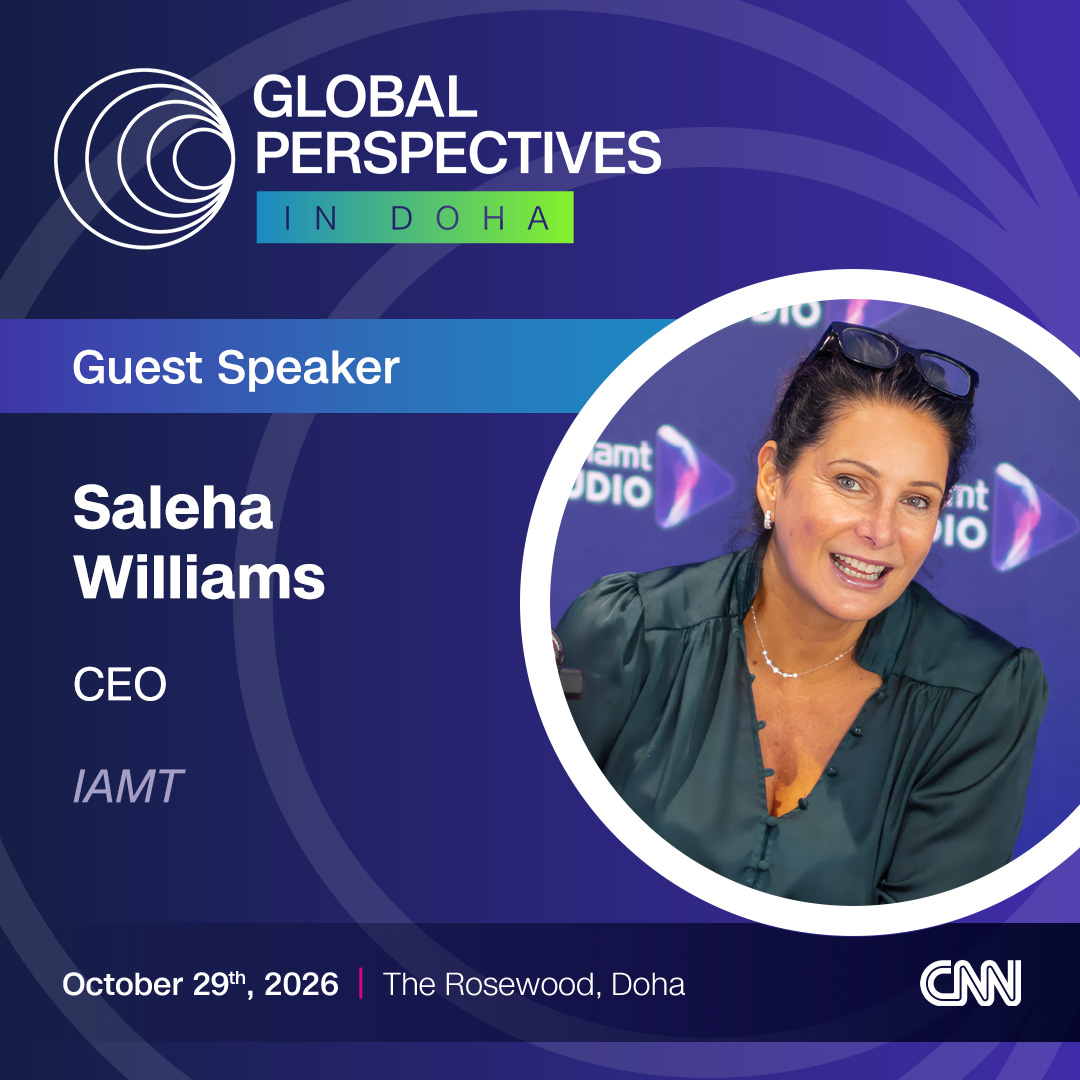
IAMT CEO, Saleha Williams, to speak on CNN Global Perspectives Doha
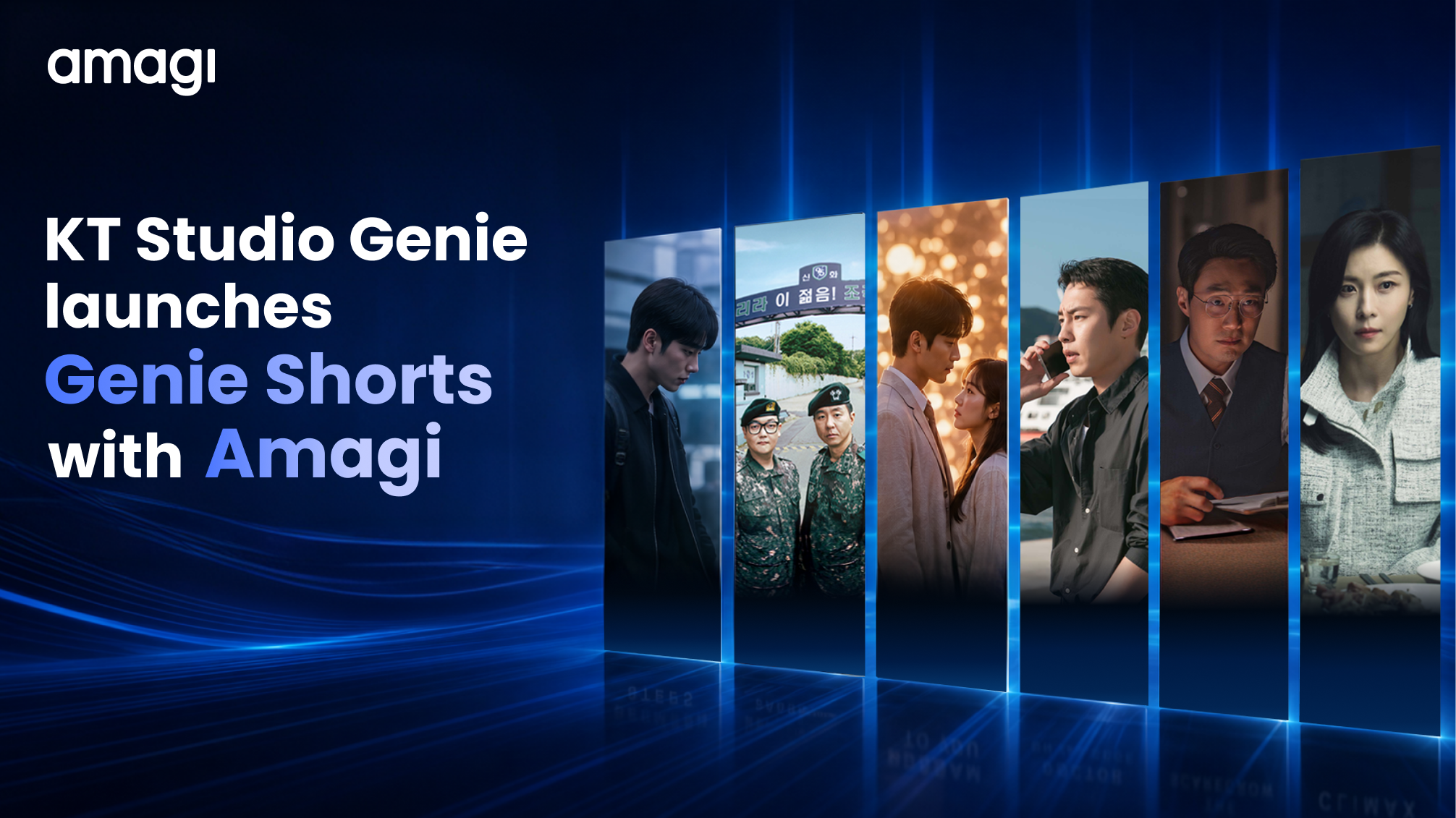
Amagi powers KT Studio Genie’s global micro-drama expansion

Sign-Up Here
Industry news, event updates and more. Sign-up for the IAMT Newsletter.