Brainstorm – Collaborating for Success
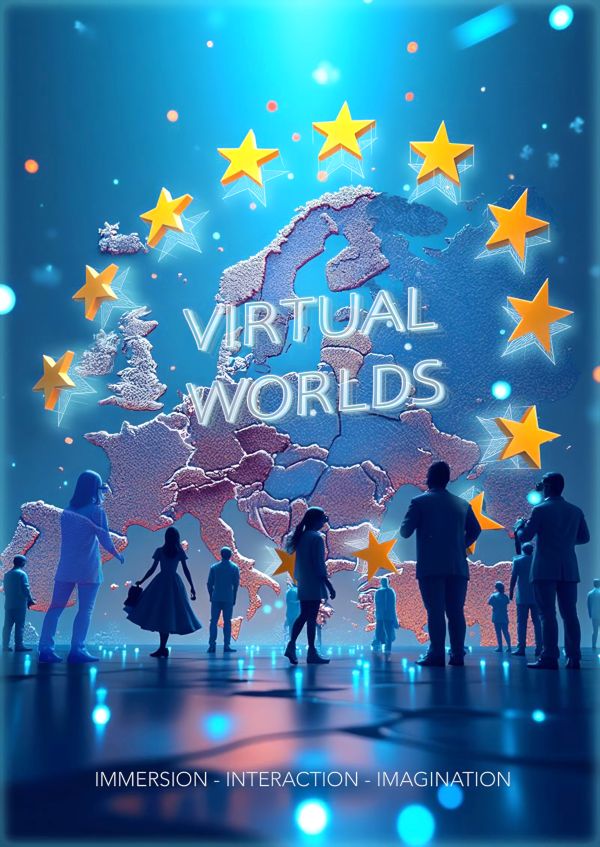
Francisco Ibáñez is R&D projects director at Brainstorm Multimedia, and a key contributor to the initiation of the Virtual Worlds Association (VWA), where he serves as treasurer. The VWA is a European Commission initiative under the Horizon Europe programme, forming part of the co-programmed European Partnership on Virtual Worlds. Here he describes the aims of the organization, and the benefits of collaboration.
It is clear that the future will see intensive use of virtual environments: as the VWA start-up document says, “virtual worlds, solving real world problems”. The same document defines virtual worlds as the “transformative convergence of physical and digital realities, creating immersive environments where users can interact, work, learn and play in unprecedented ways”.
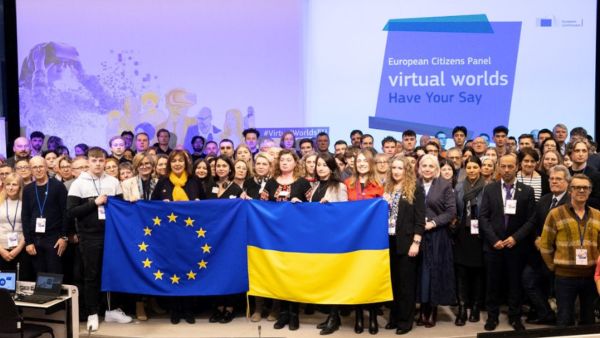
The European Commission recognized the huge potential for virtual worlds, and decided to take a leading role by creating a body which would facilitate new developments, the exchange of ideas and standardization. The goal, of course, is that Europe should be a leading player – perhaps the leading player – in the industry in the future. It set aside a significant budget to promote these goals.
To simplify and clarify the project, the Commission wanted a single point of contact that would represent all of the interested parties, commercial and academic. Brainstorm had taken a leading role in a number of Horizon projects in the past, so they turned to us and invited us to create what we now know as the Virtual Worlds Association.
Like all such initiatives, the requirement is to have a broad mix of large and small commercial bodies, academic and research institutions. The potential for virtual worlds is very wide, so participants were invited from a range of industry sectors – not just media and broadcast – and of course from countries across the EU.
Large and small
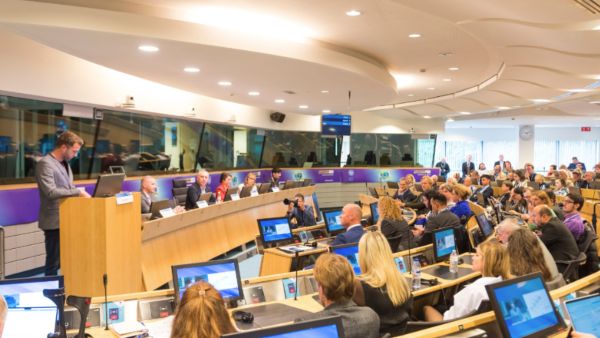
While I, on behalf of Brainstorm (an SME), contributed to the initiation the project, it was felt that it needed a major industrialist to lead the work, and so the president of VMA is Matthieu Worm from Siemens. Other founding members include SAP and CS Group; academic centers like Fraunhofer and University Polytechnic Valencia; and broadcasters including VRT. Today, three months after the project started, we have about 65 members.
Drawing on this membership, we will create targeted working groups from both verticals and horizontals, ensuring that ideas and innovation in one sector can be translated and built upon for other markets. Something that may produce stunning effects in a television studio may have unrelated, but even more powerful advantages, in education, industry, commerce, or medicine.
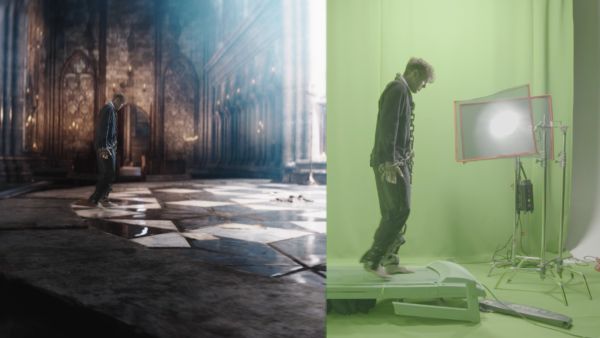
We are examining the interplay between augmented, virtual and mixed reality applications, emerging technologies like digital twins, and how artificial intelligence can be safely harnessed to boost effectiveness. Where knowledge is missing, our technical and research partners will be funded to innovate.
Siemens, for example, is leading the VWA, while its primary interest lies in digital twins, the concept of a virtual model mirroring a real-world object or system using sensor data and simulations. For an industrial company like Siemens, this means a transformative approach to monitoring and managing physical assets, but the applications in other verticals – from television sports graphics to medical science – are obvious.

Challenging
By bringing the whole industry together, we will have the ability and resources to challenge some existing positions. For example, today virtual graphics, from many vendors, depend on the Unreal engine from Epic. Progressive and innovative companies – like Brainstorm – working within this collaboration could develop alternative, more powerful and more open solutions.
Other working groups will take a deep dive into the virtual world’s impact on society and the economy. The Commission’s guiding principle is that the work of any project like this should have a positive impact on European citizens.
To tackle specific challenges, the VWA encourages small and large companies to work together. Large companies have the business reach and scale; SMEs have the agility and specialist skills to create fresh solutions, perhaps solving challenges from outside their market expertise.
Although, as I said, the Commission is providing funds both for the management of the association and for practical R&D, the intention is to attract external investment. The developments that come from the VWA only have value if they are commercially viable in the real world.
Competition
One very important point to address is that collaboration should not replace competition. The VWA is certainly aiming to create parameters for the future of virtual worlds. From our work, standards and best practices may well emerge, and that will be a good result.
But we are not aiming to create a single Euro-product, nor to define how things must be done. Rather, we hope to create a framework, a market environment, in which creativity and inventiveness thrive for the benefit of all.
For manufacturers and developers like Brainstorm, it gives us access to a huge range of skills, knowledge, and experience to bolster our own R&D efforts. It allows us to achieve what we envision, and to port our specialist tools into other markets where they can also have a big impact.
Most important, it ensures that we as a company, and Europe as a continent, will be leaders as we move into the virtual future. That should be good for everyone.
You can find out more about the VWA, and read the complete strategic research and innovation agenda, at virtualworldsassociation.eu.
Latest IAMT News
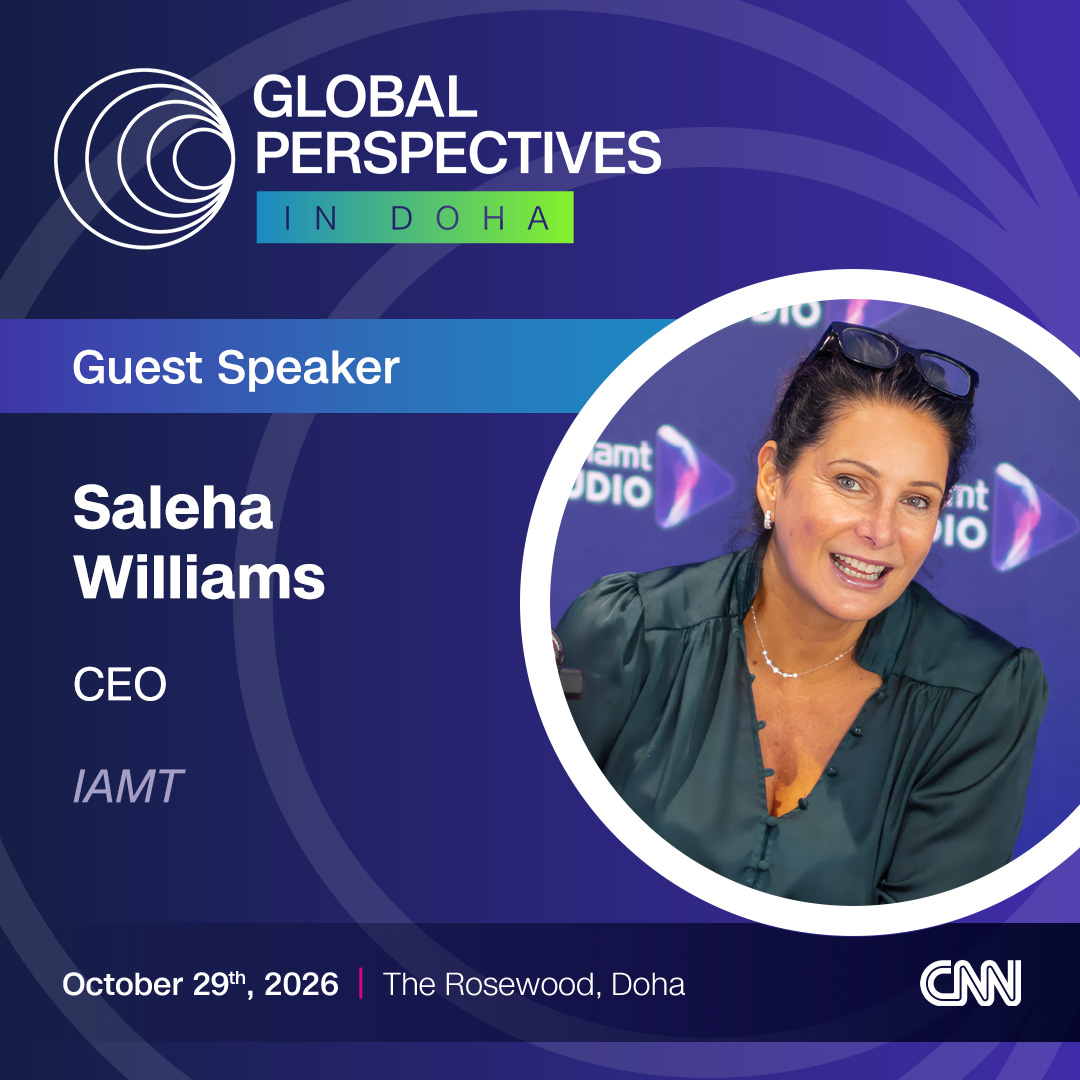
IAMT CEO, Saleha Williams, to speak on CNN Global Perspectives Doha

Amagi powers KT Studio Genie’s global micro-drama expansion

Sign-Up Here
Industry news, event updates and more. Sign-up for the IAMT Newsletter.